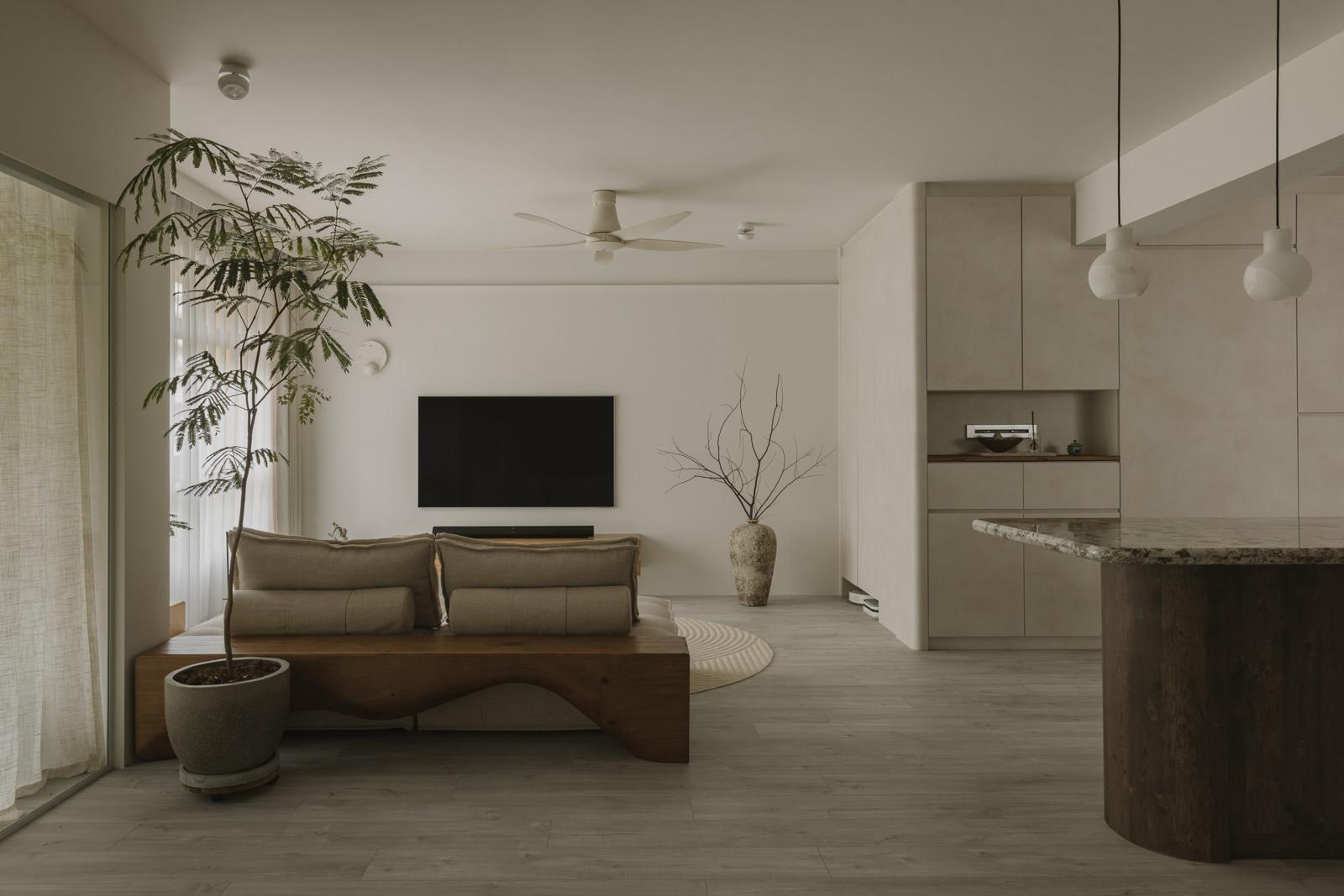
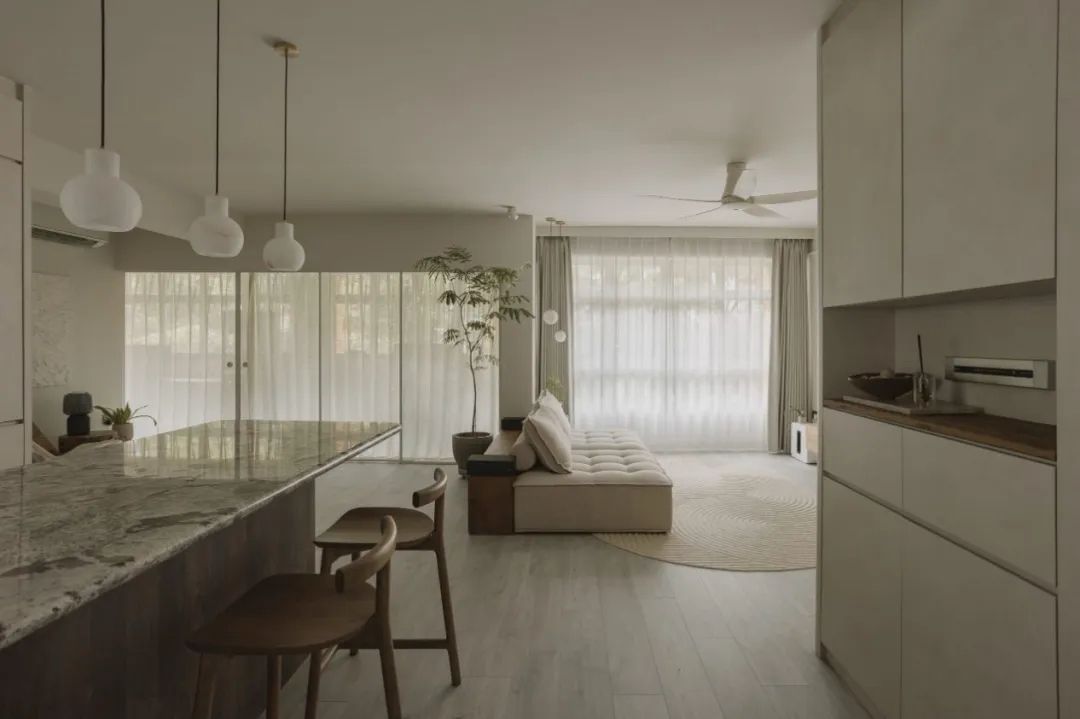
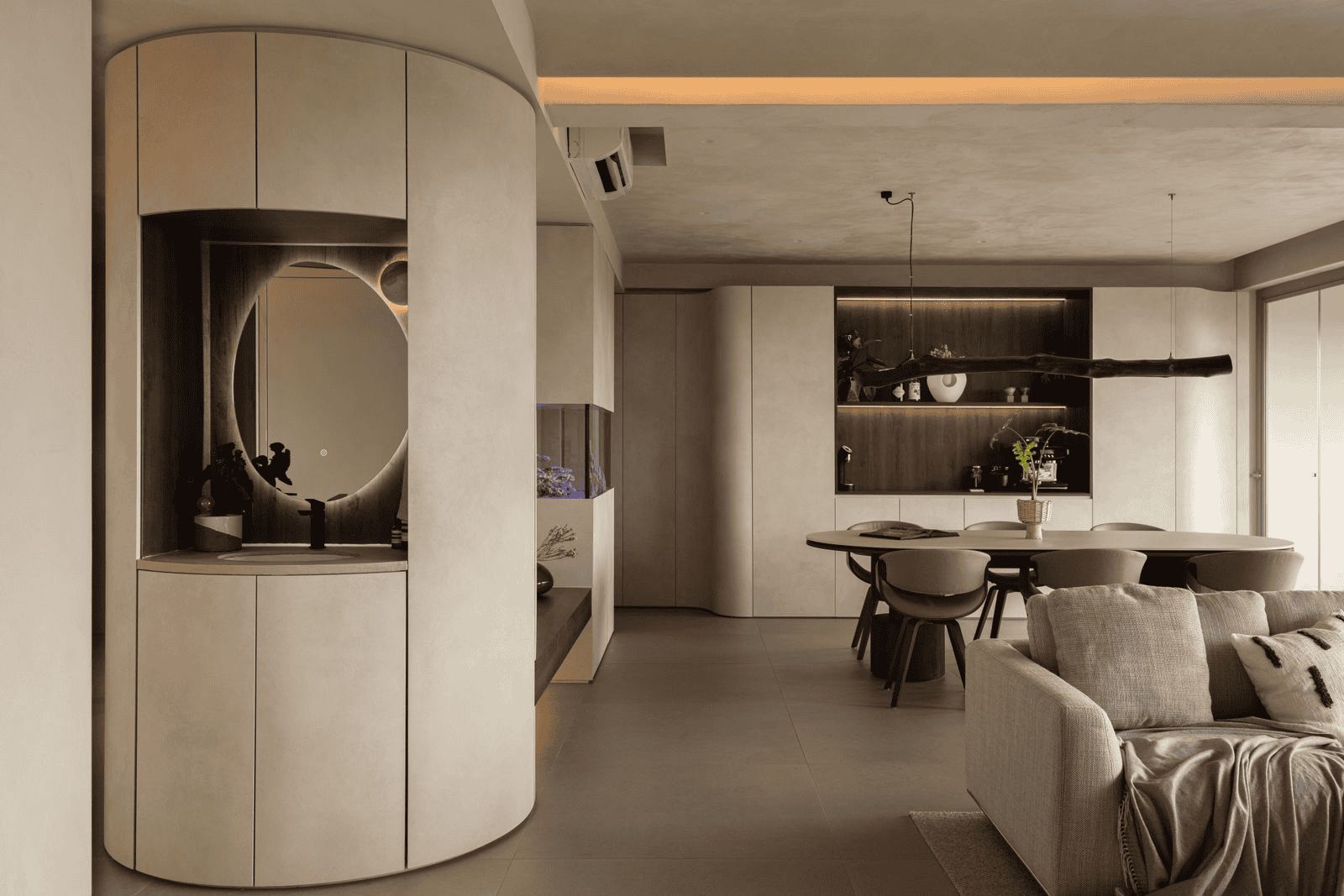
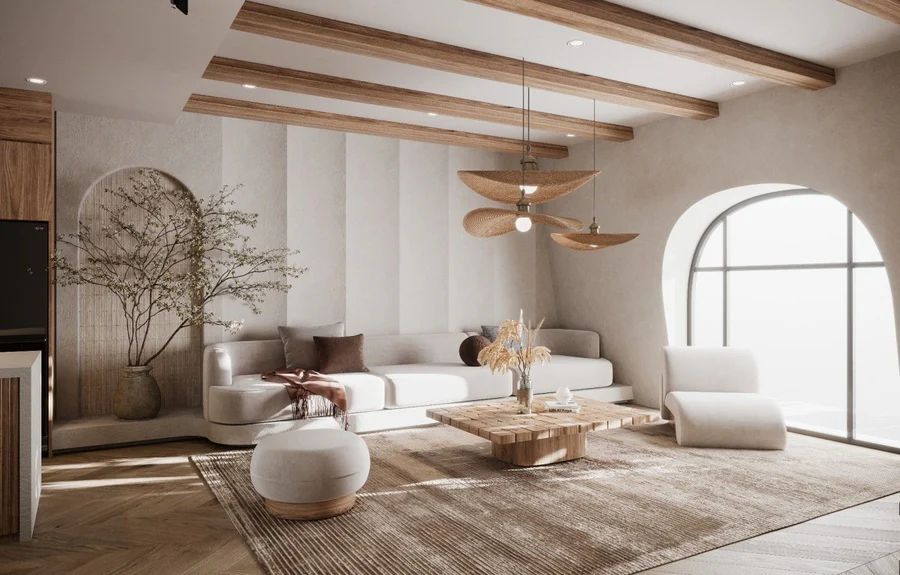
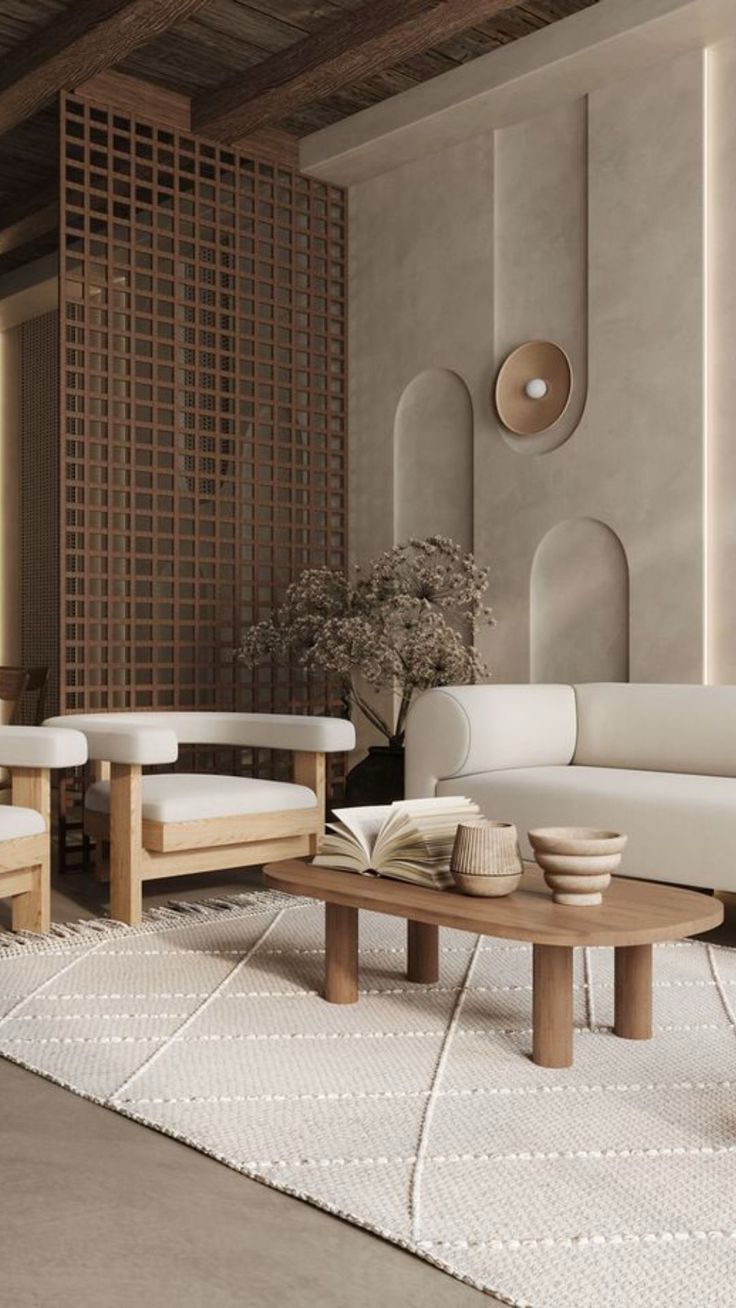
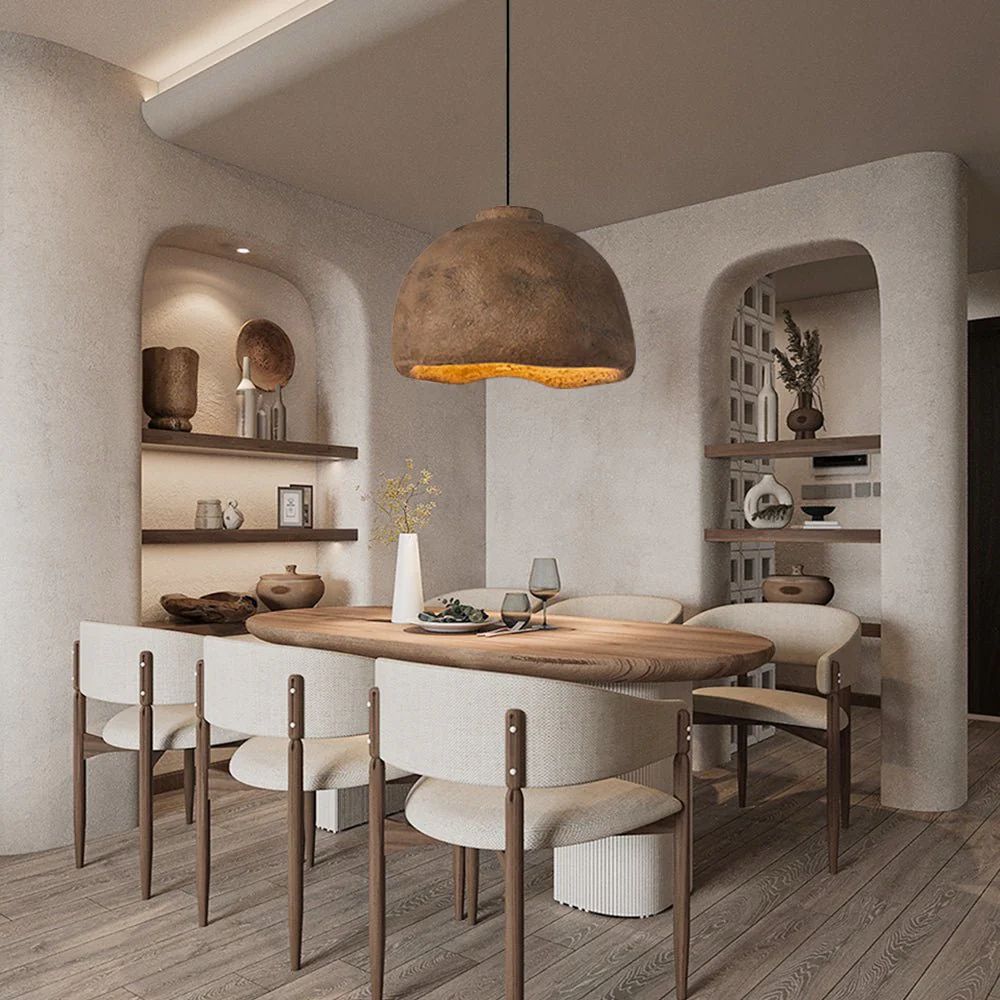
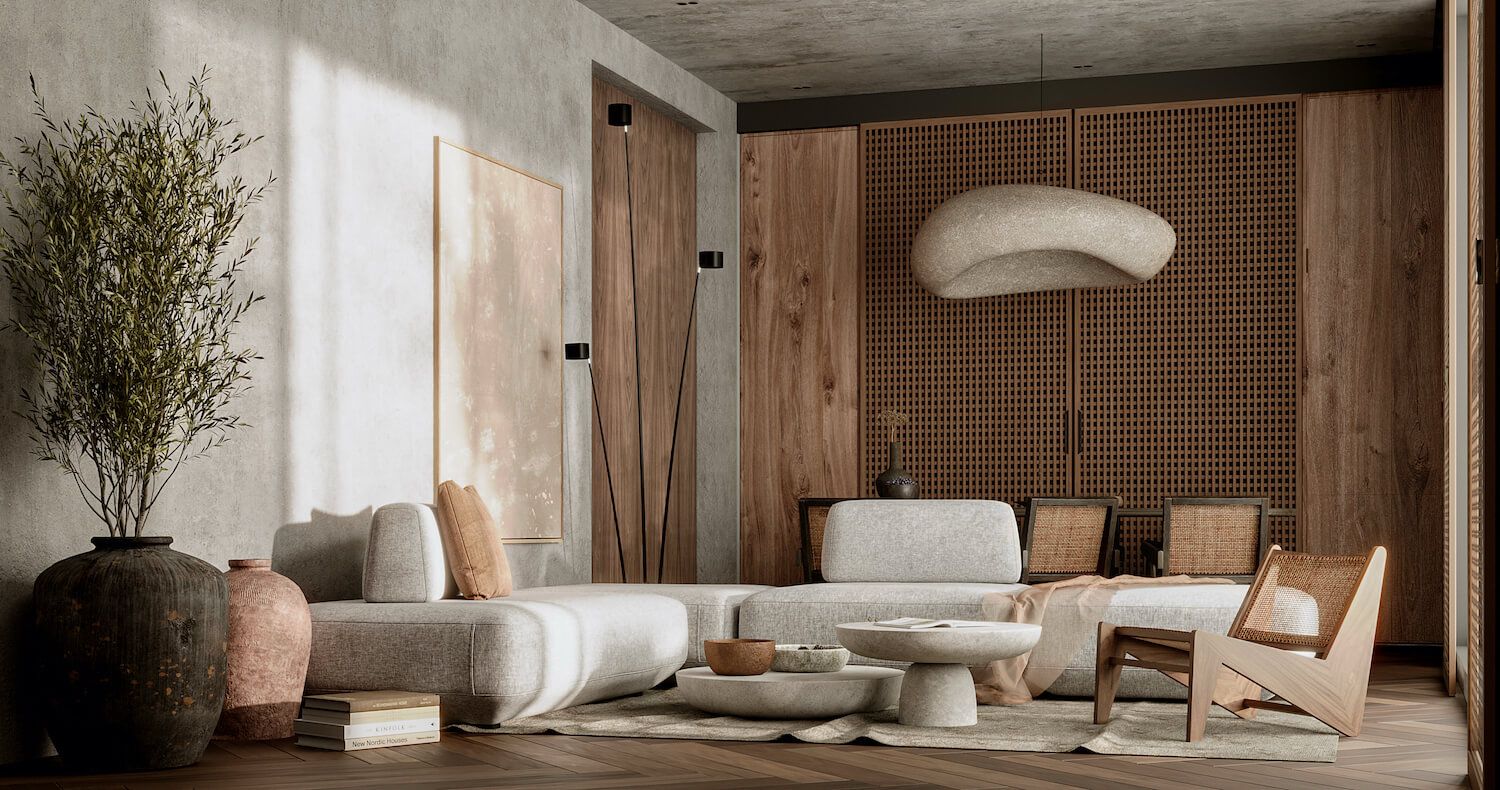
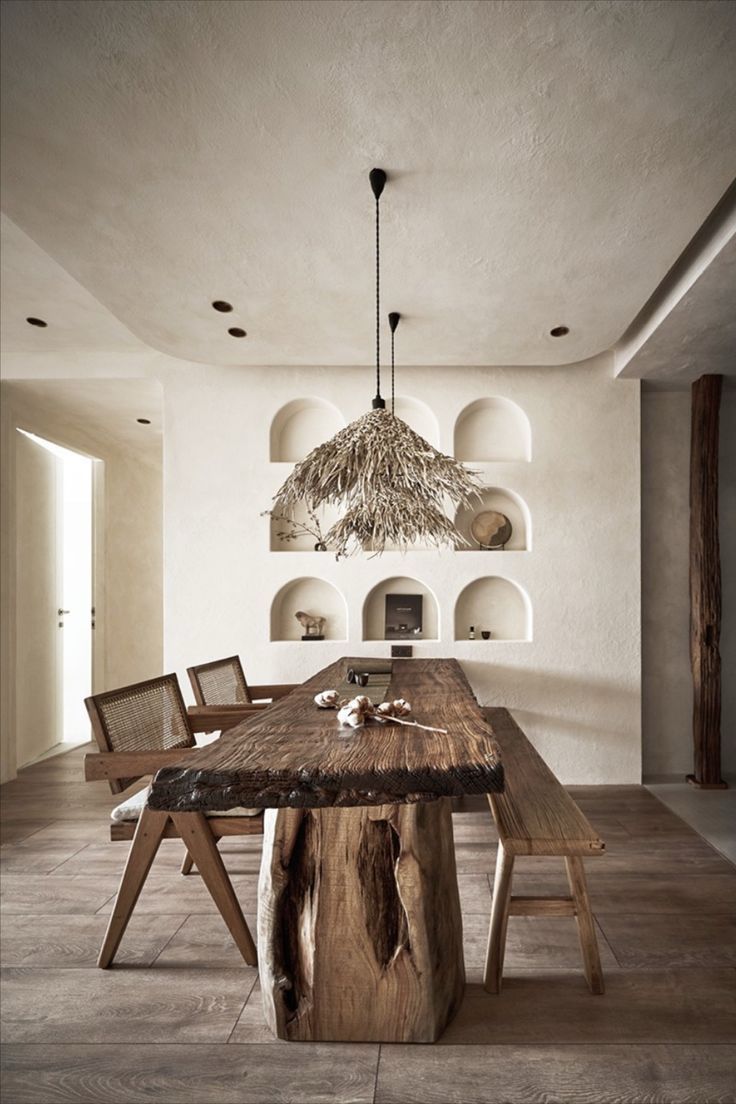
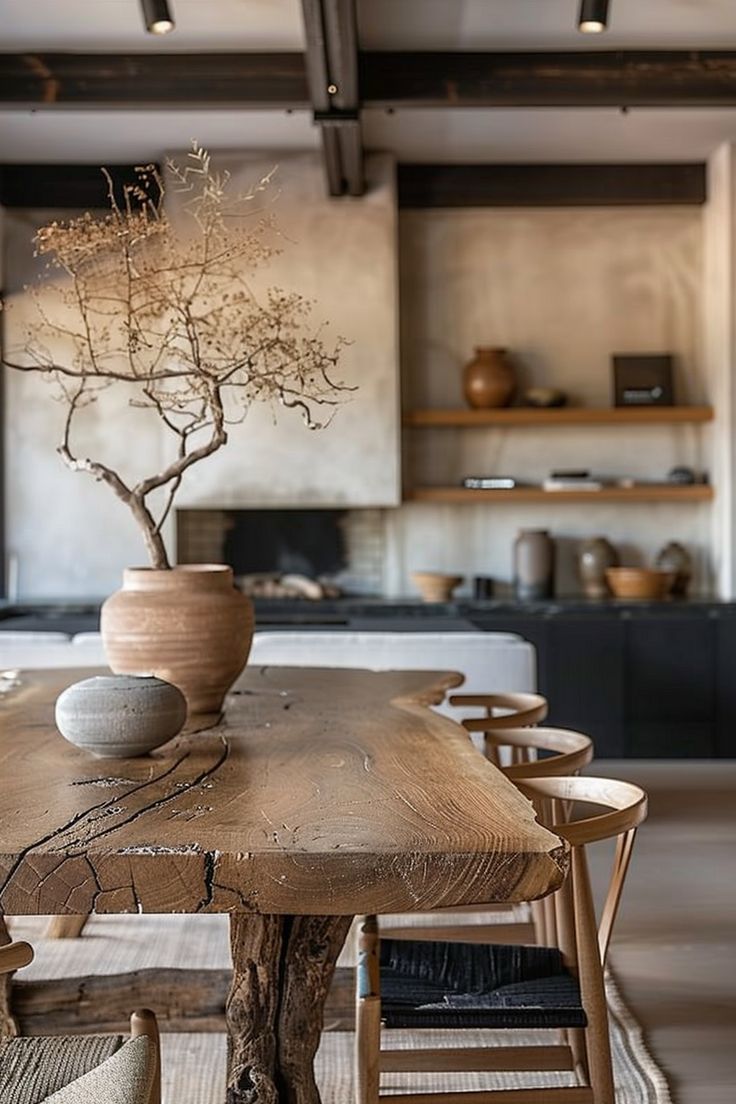
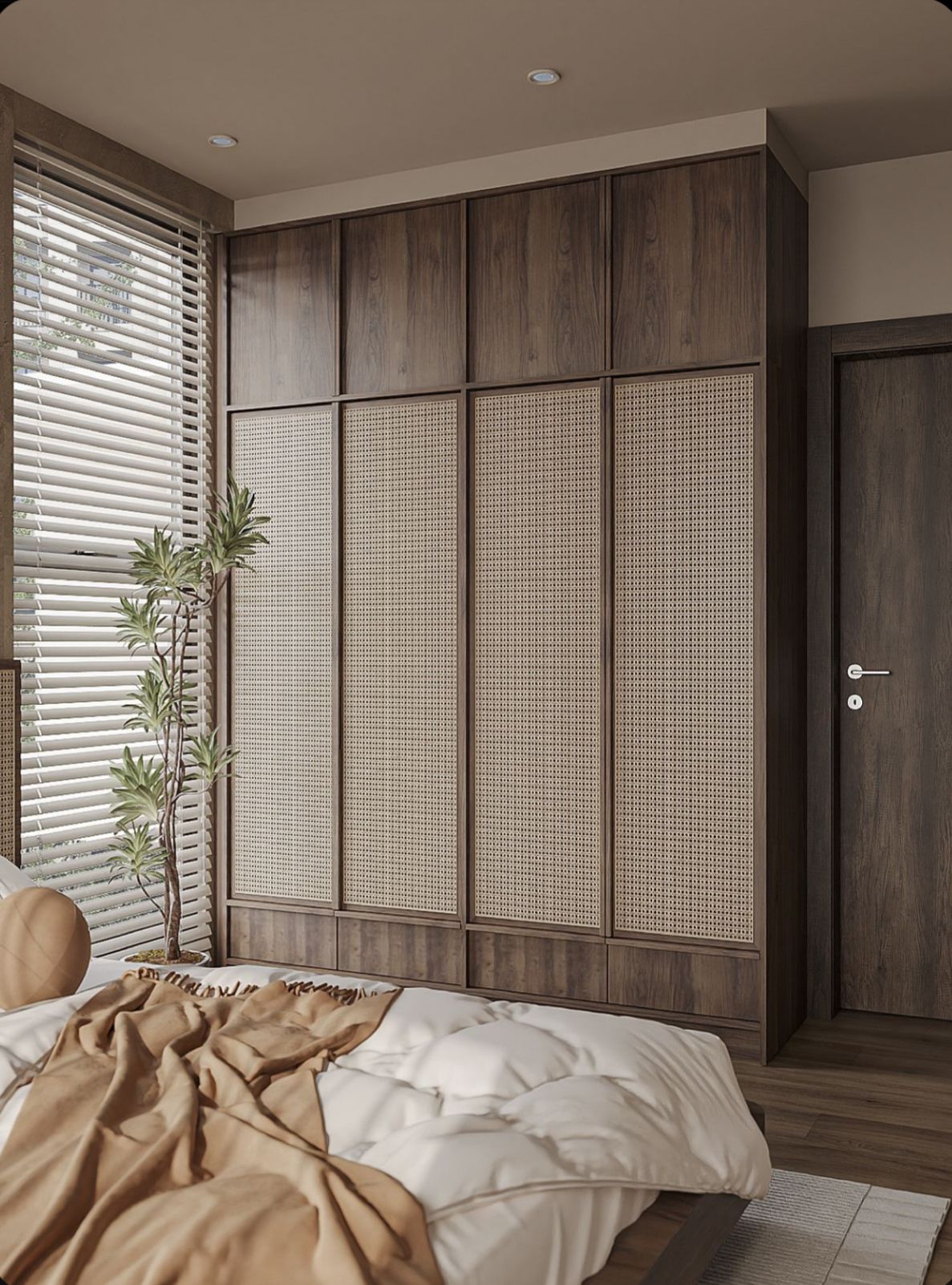
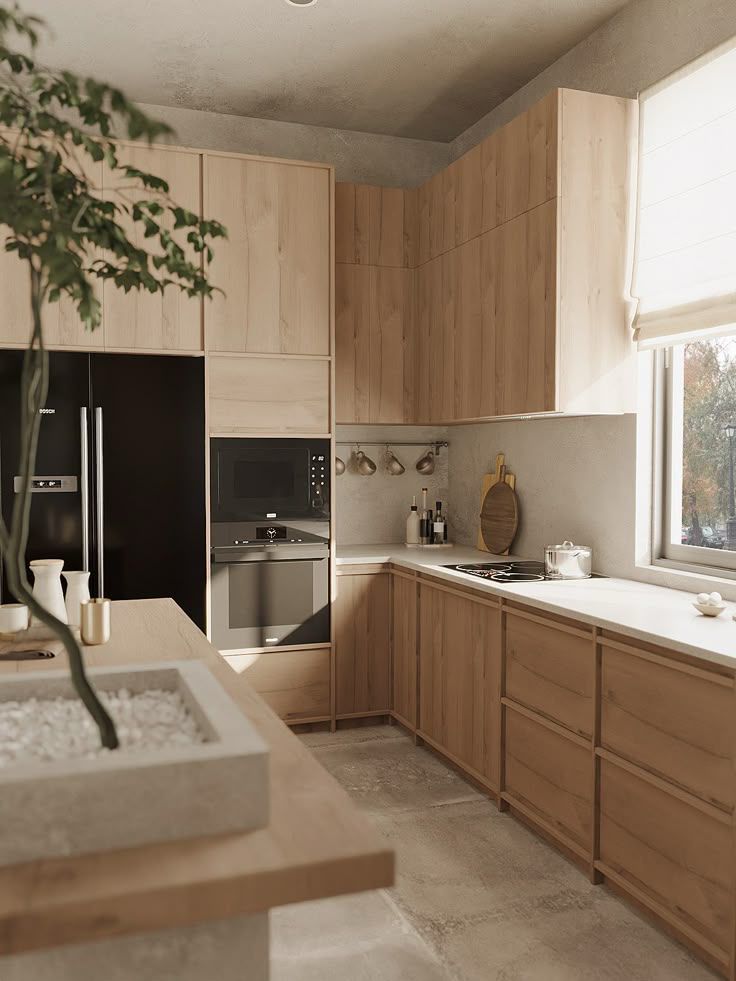
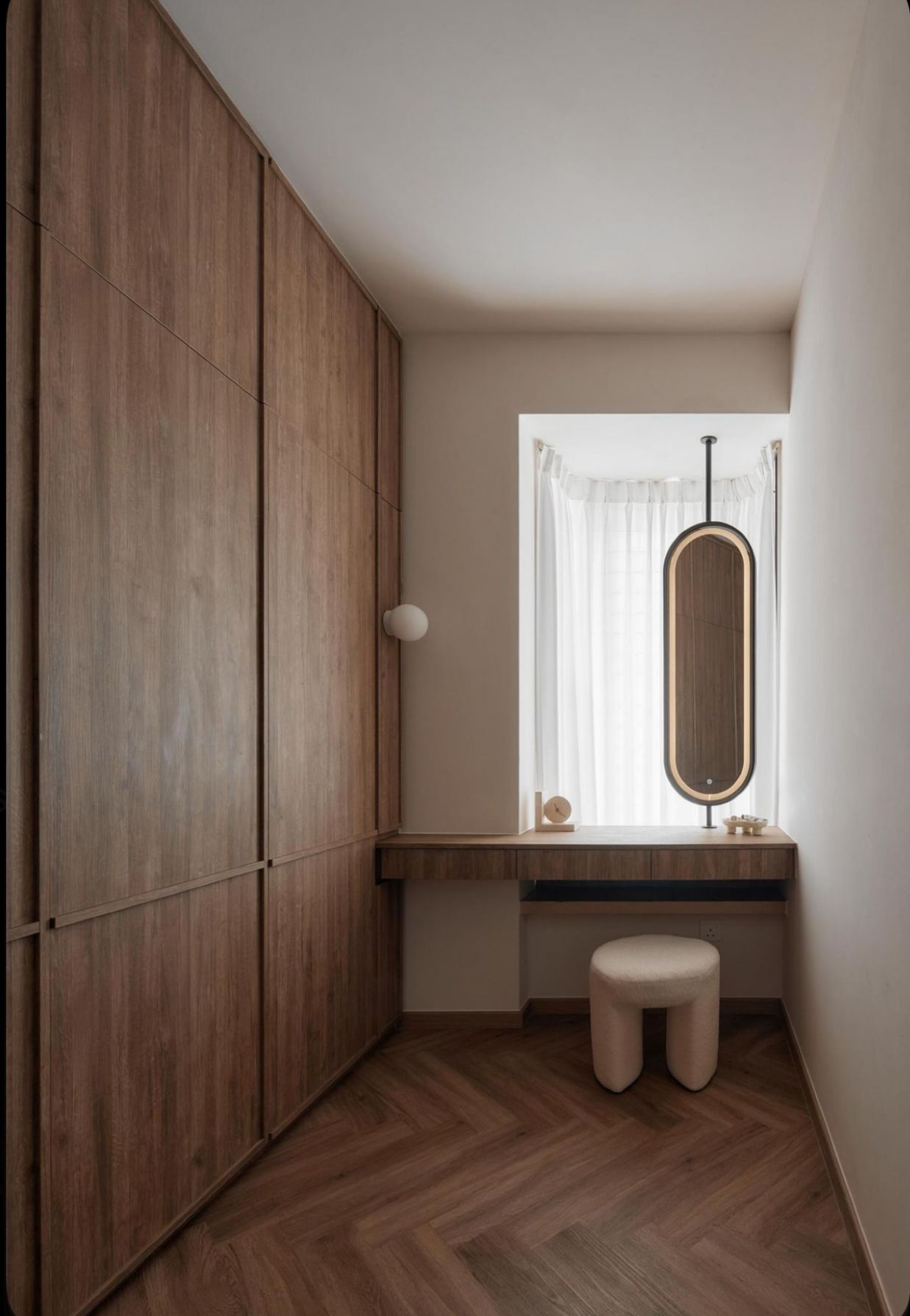
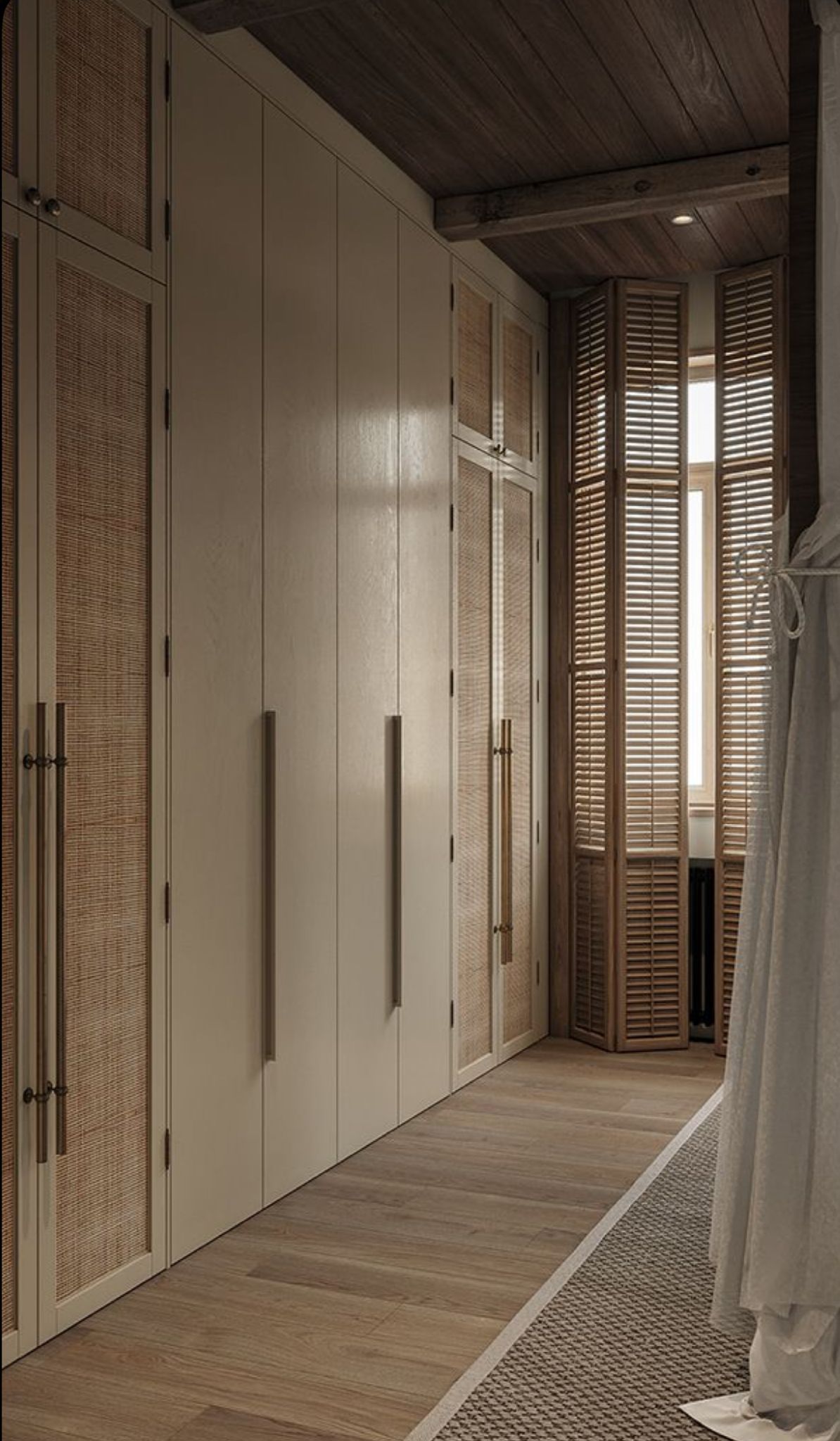
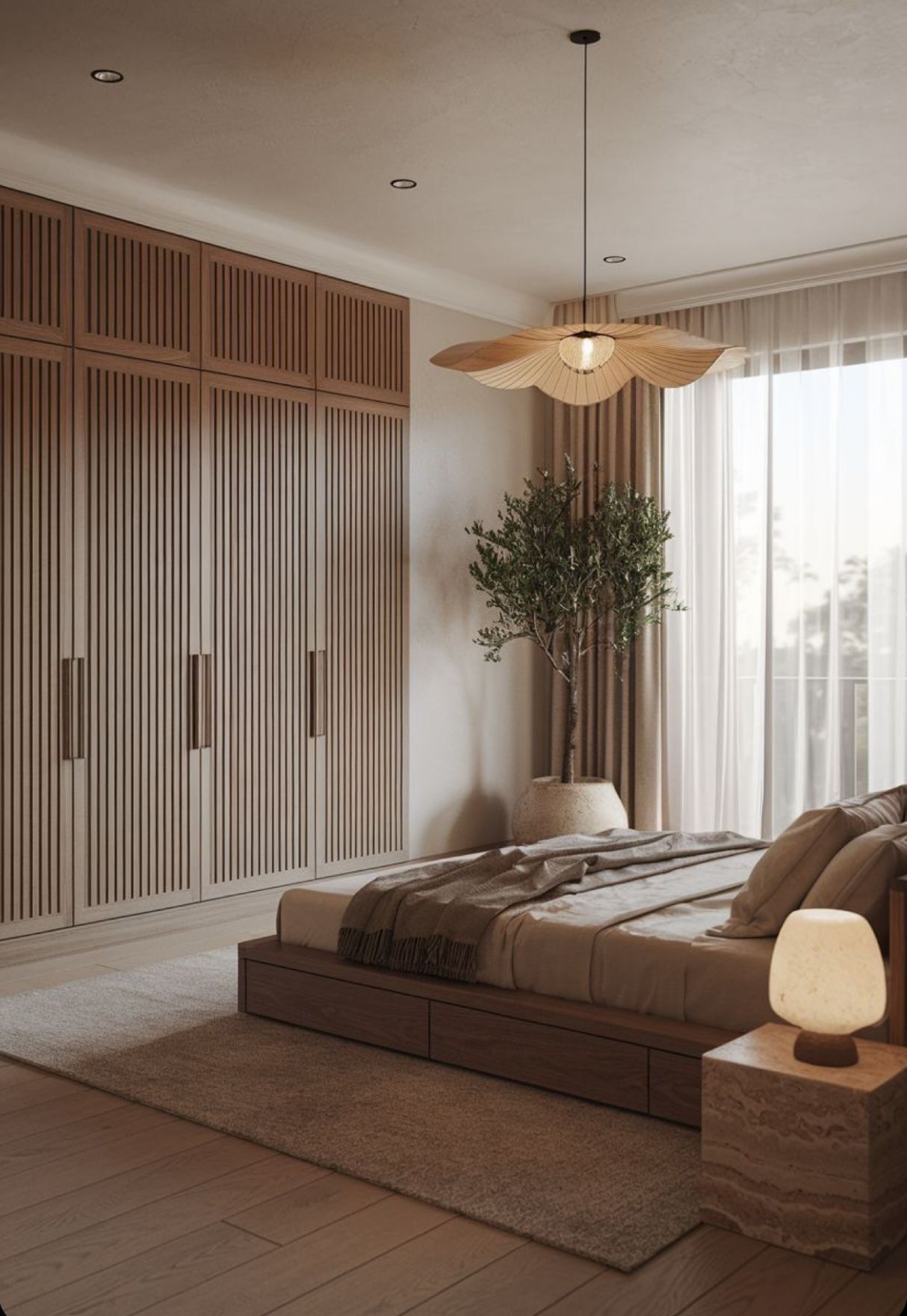
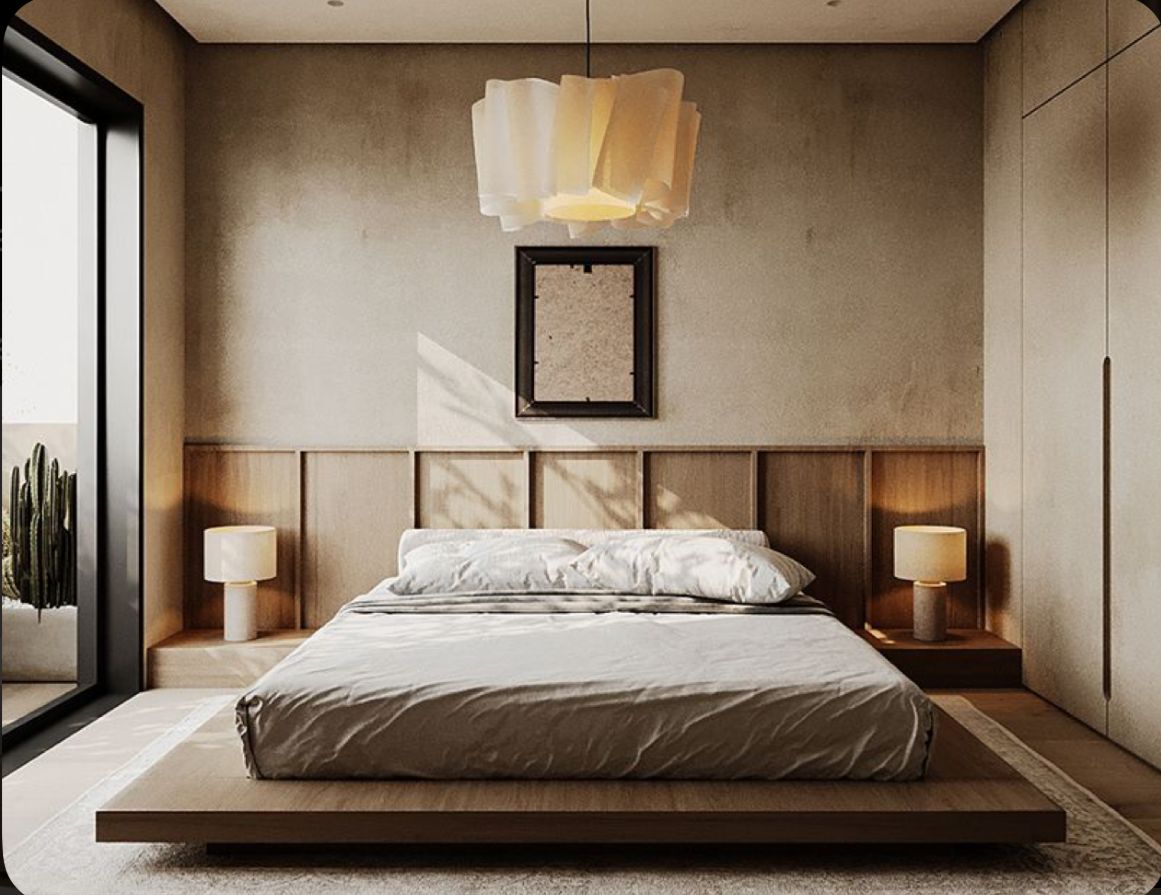
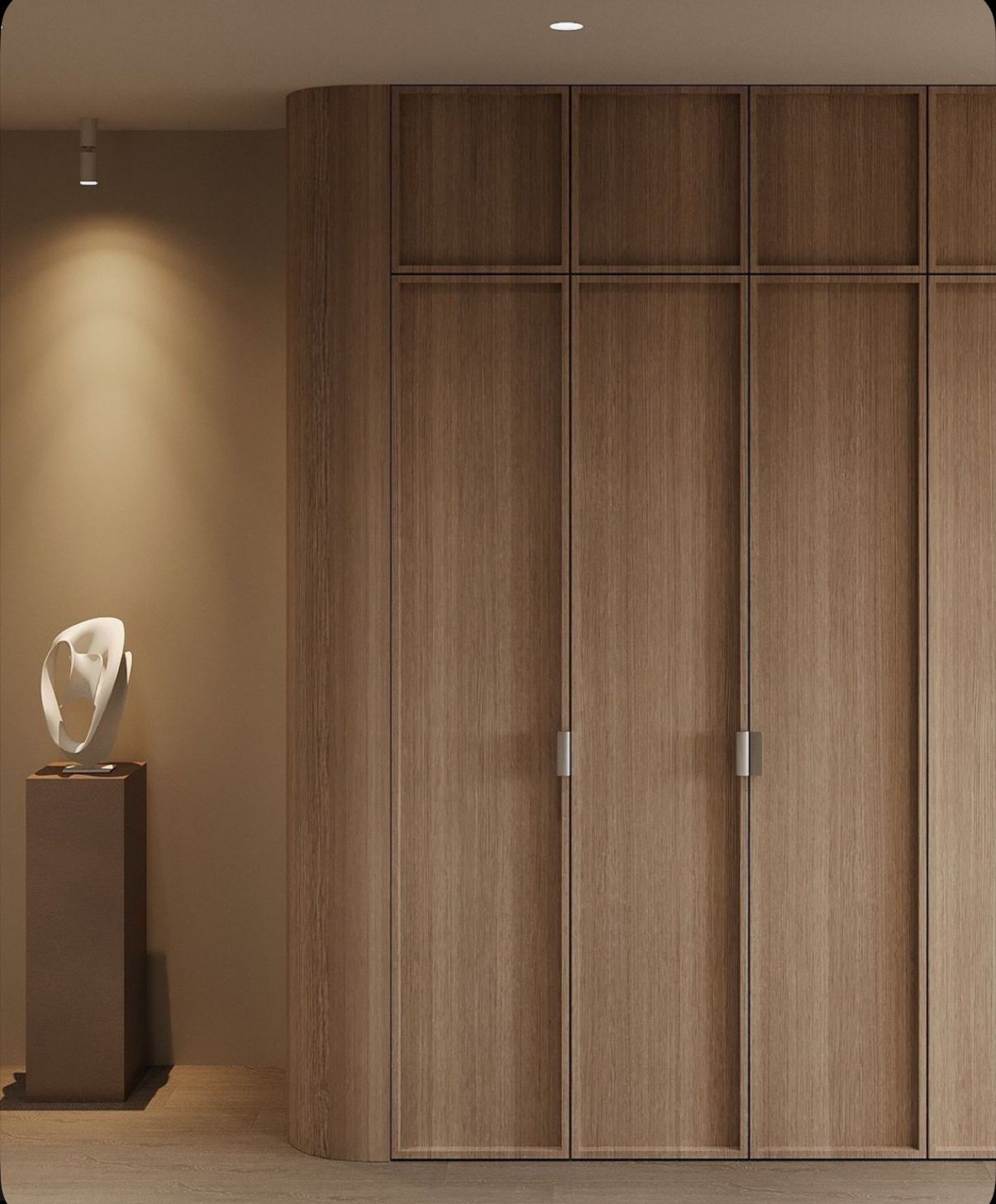
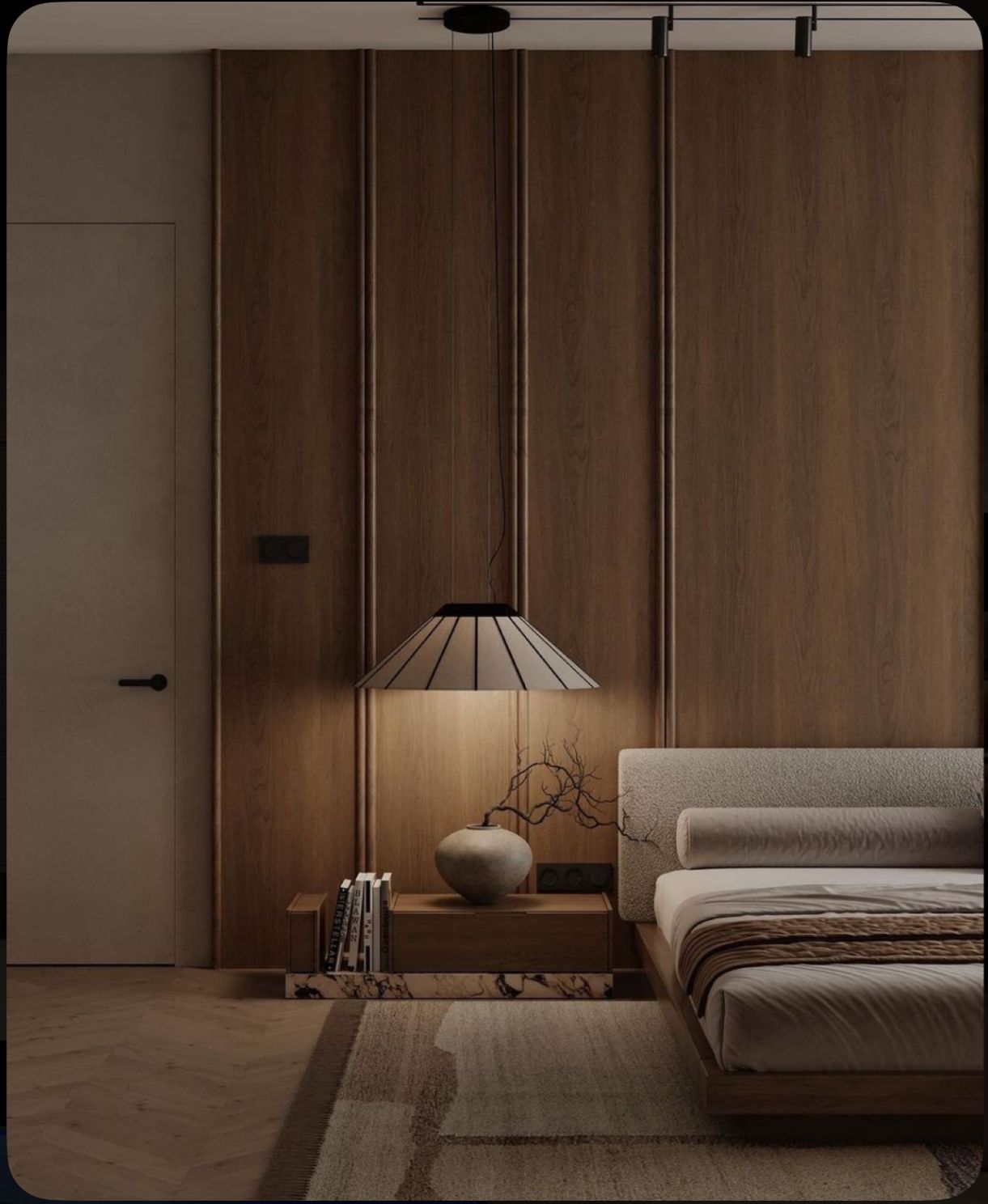
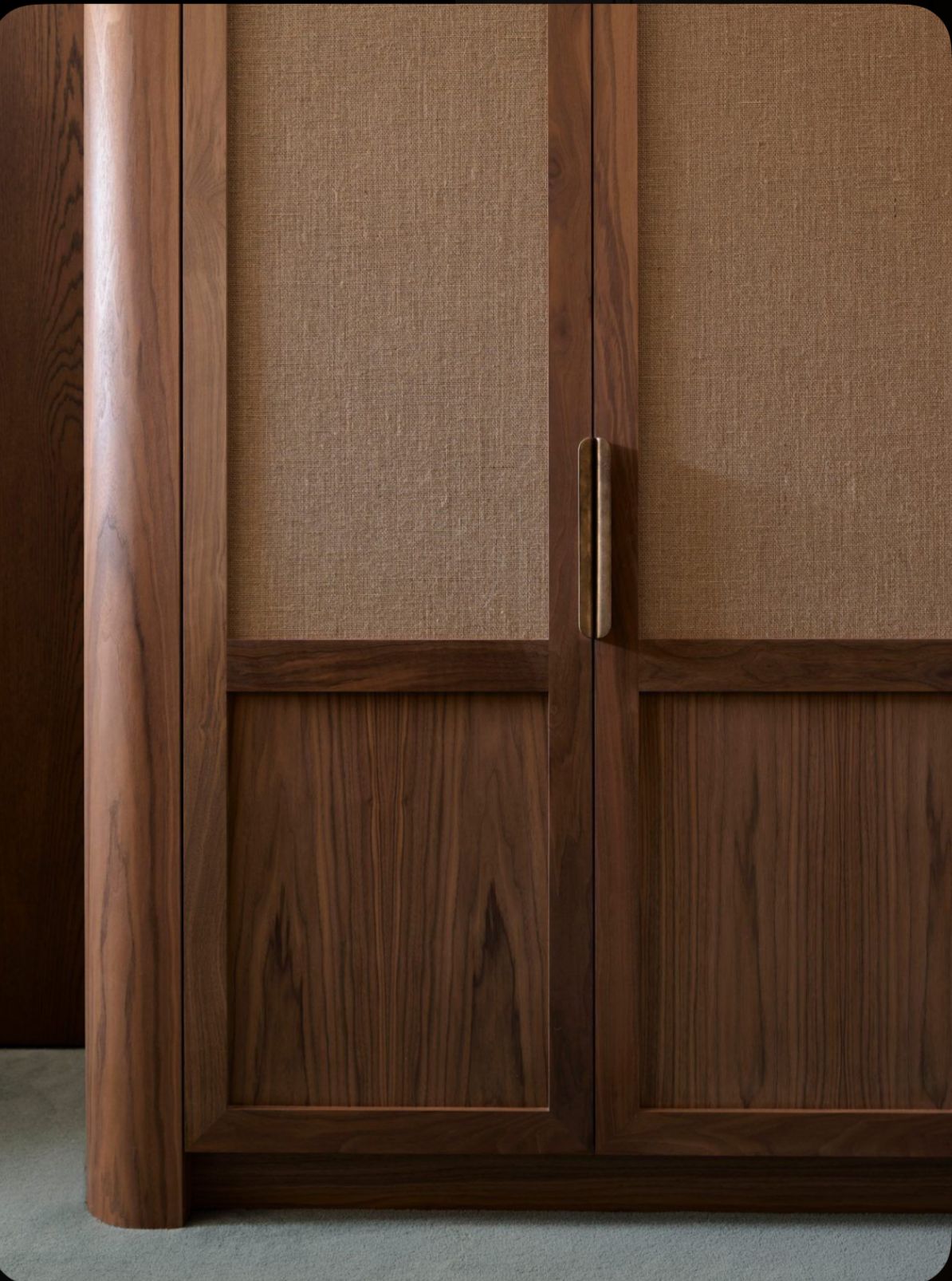
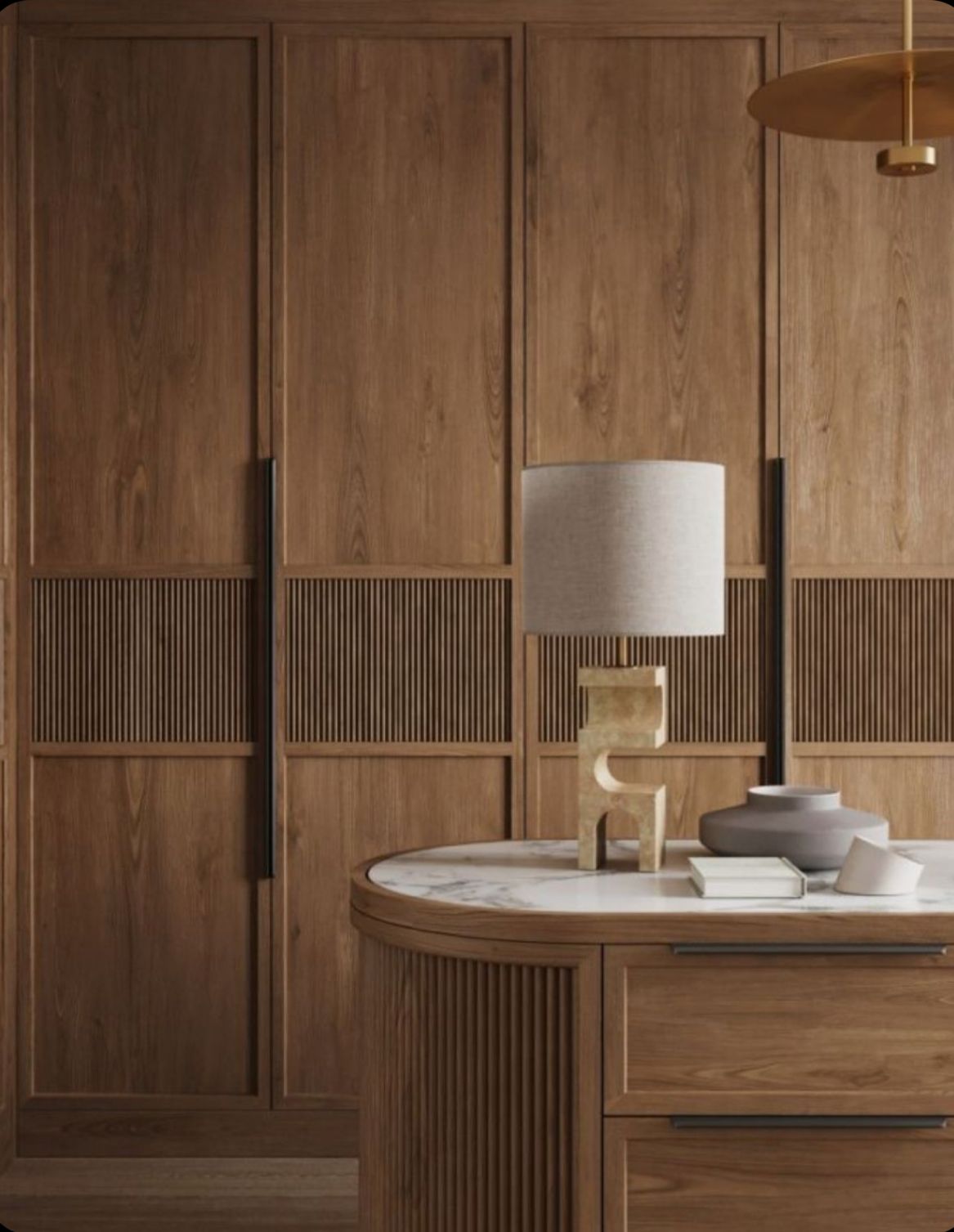
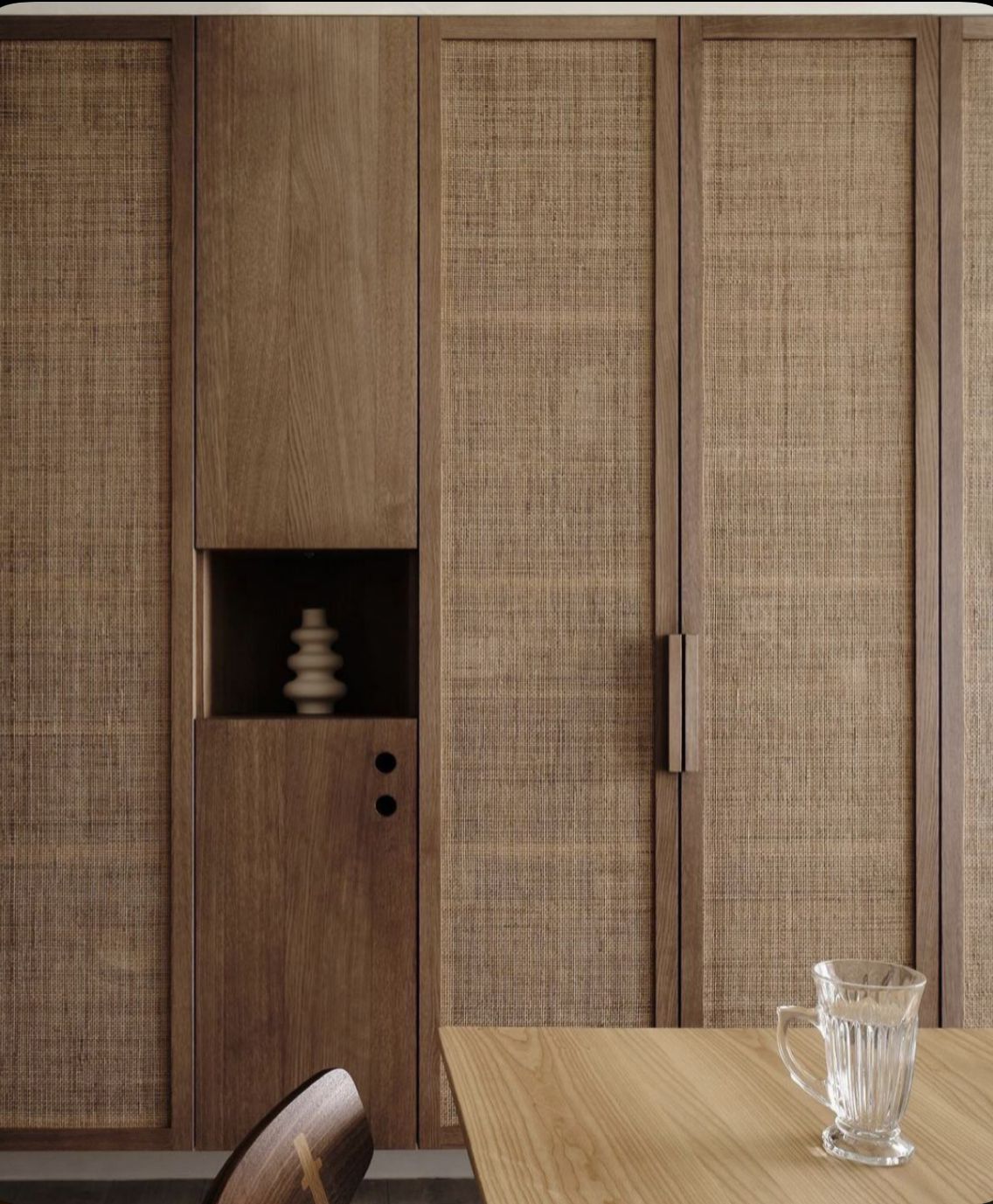
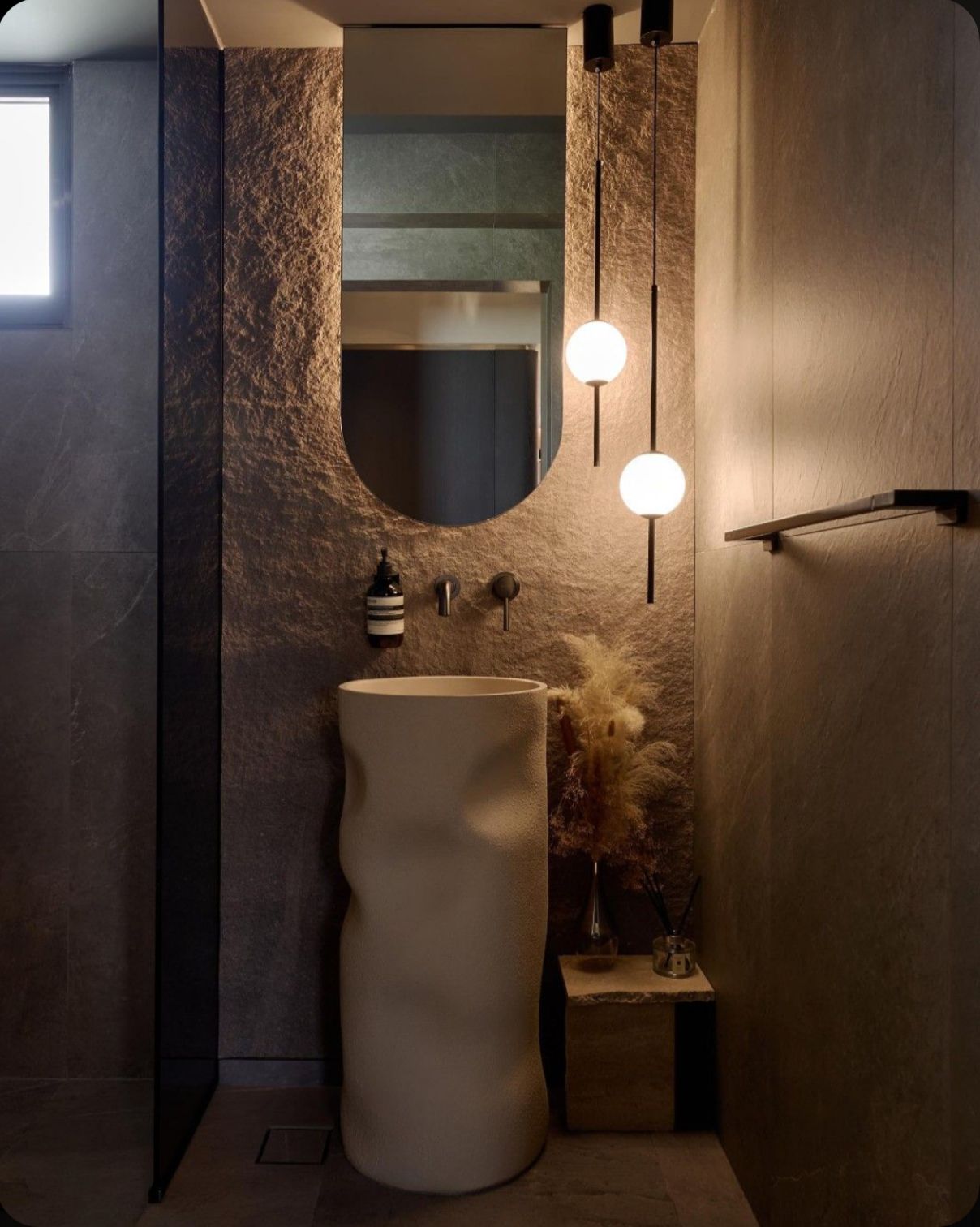
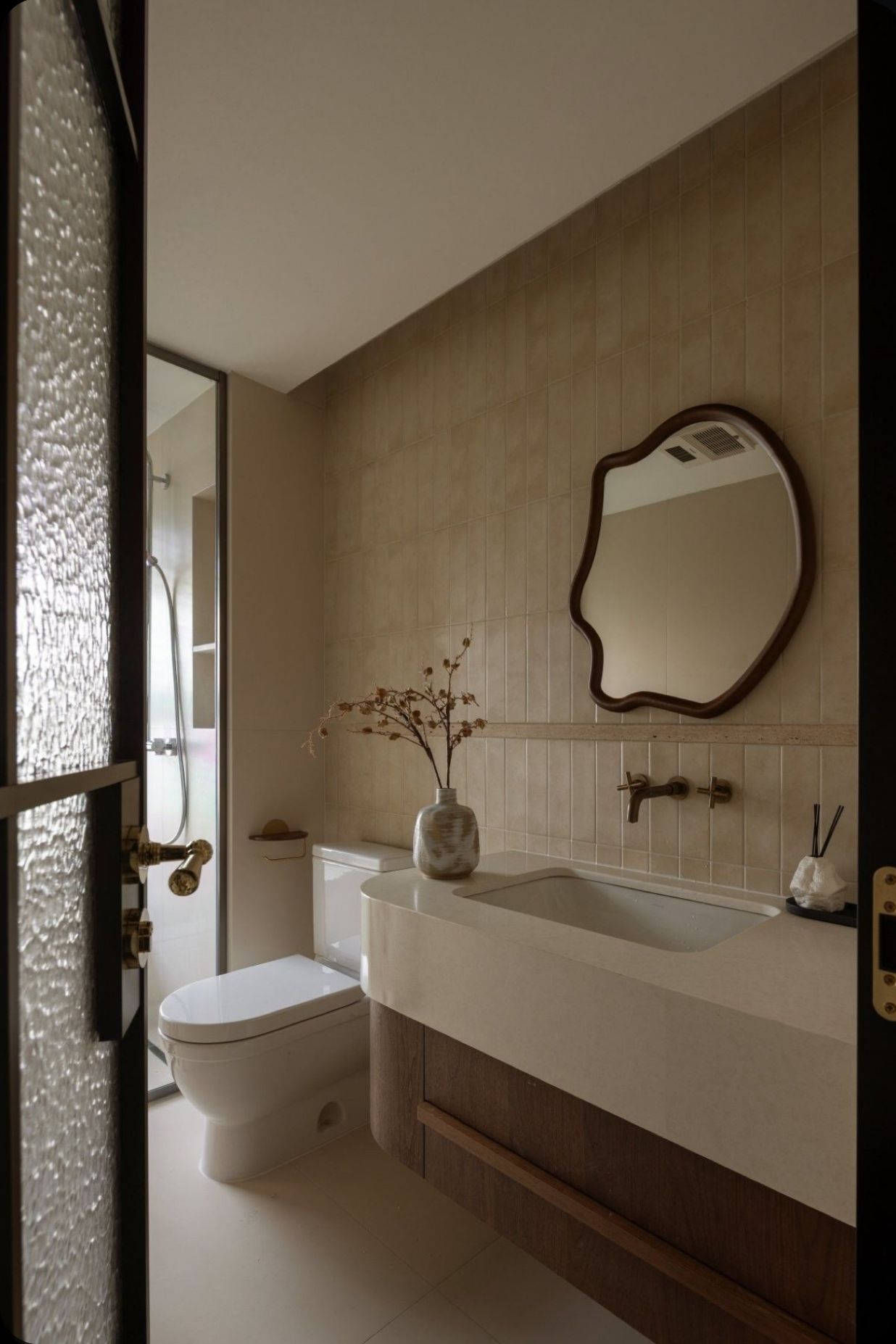
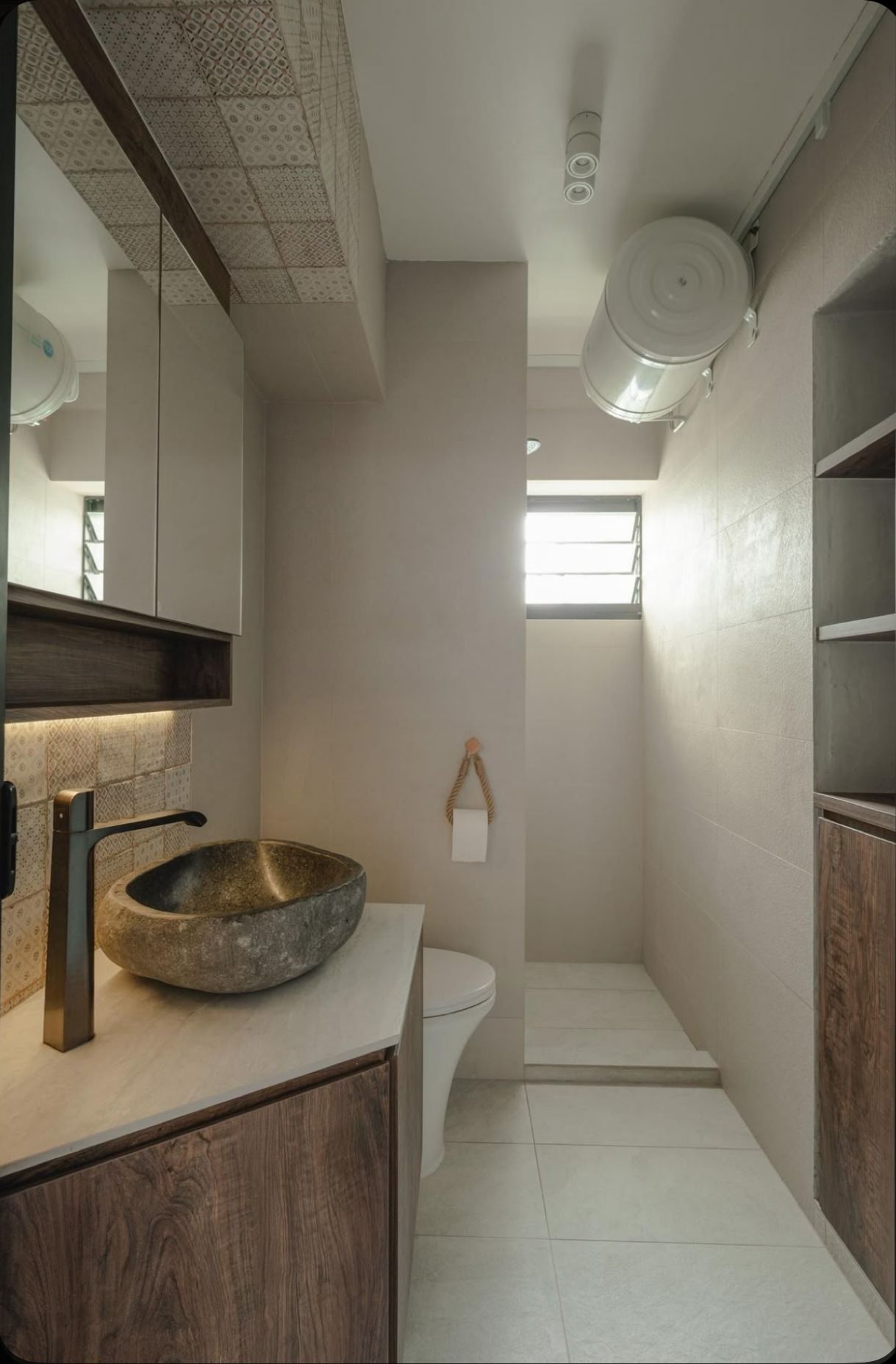
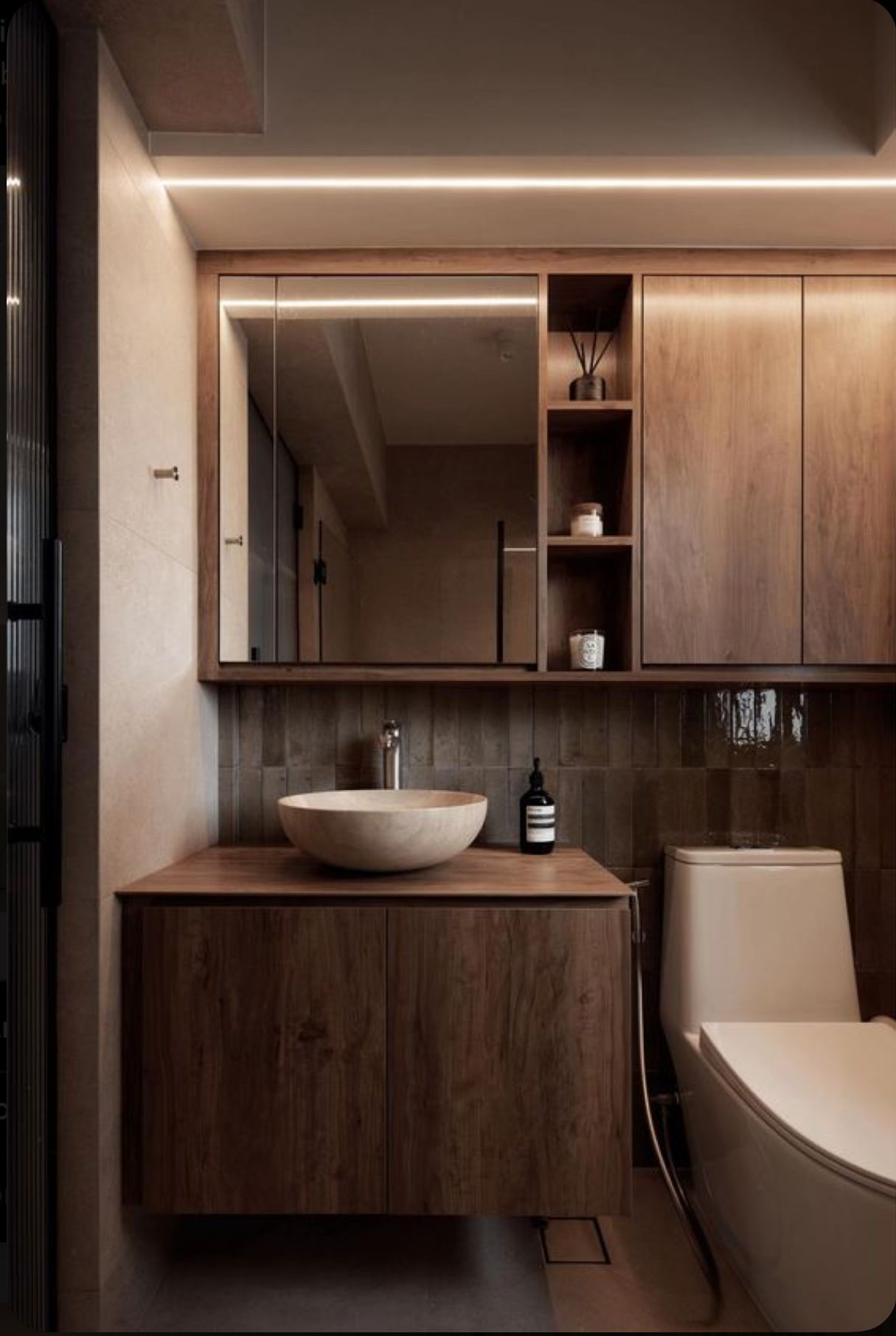
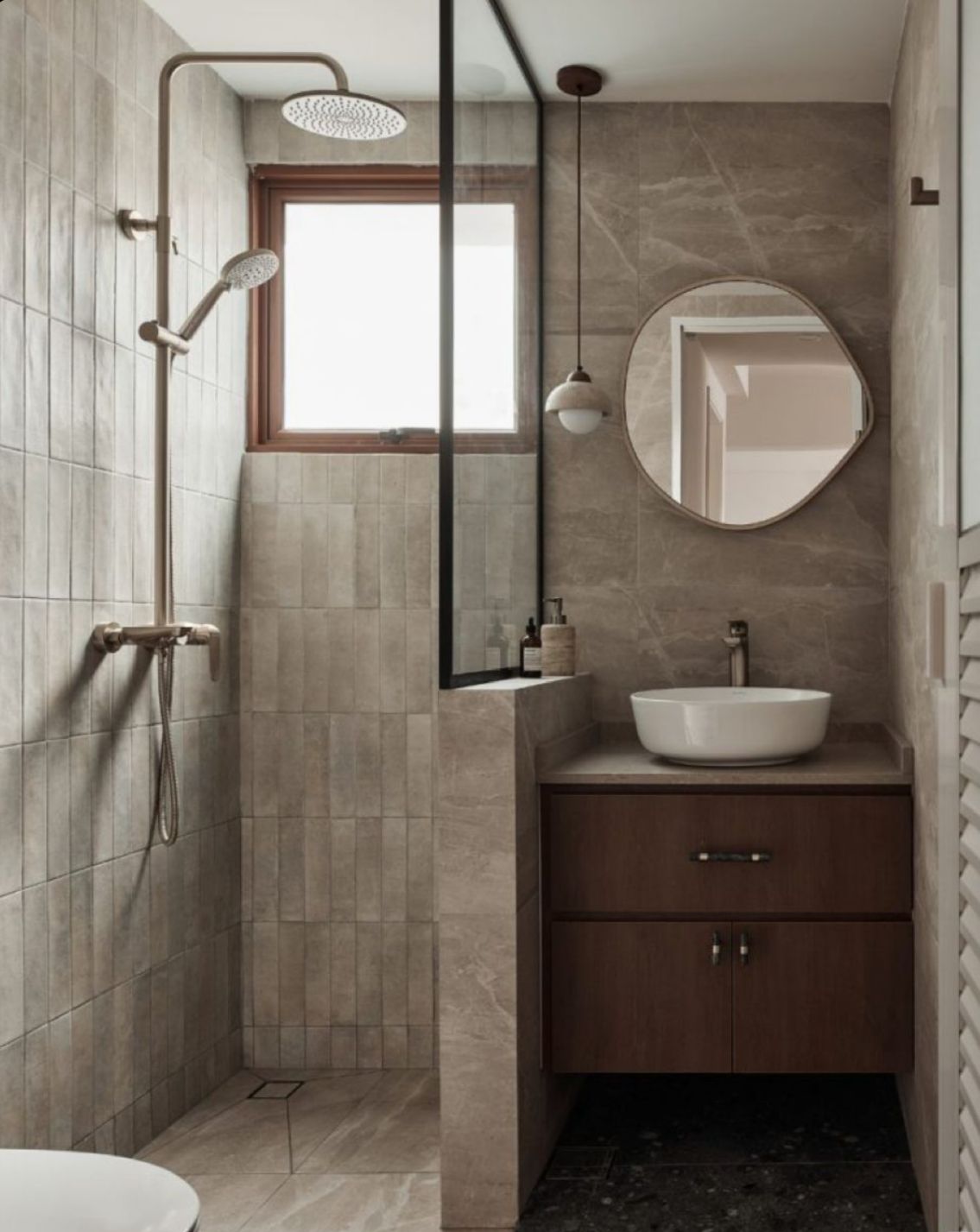
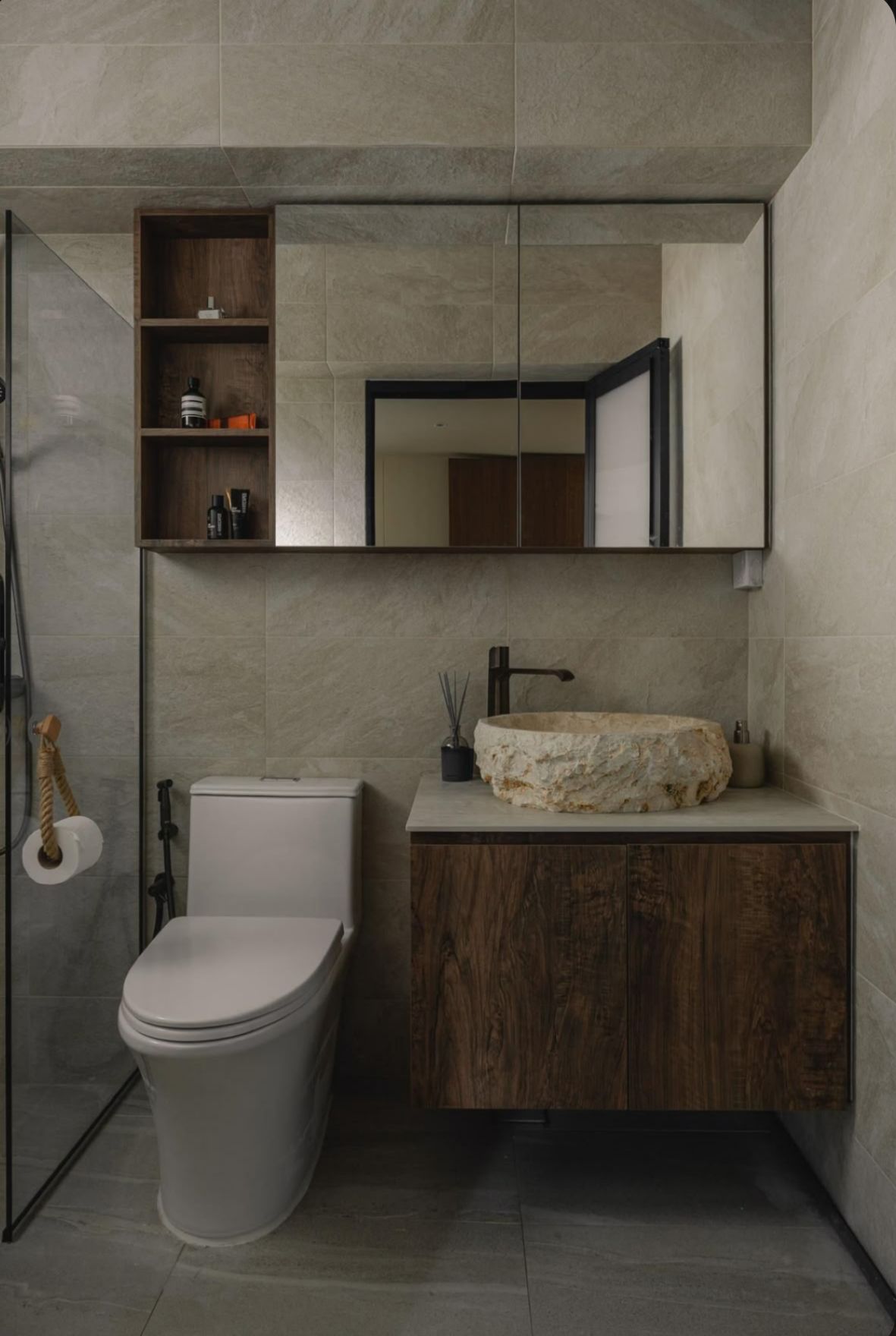
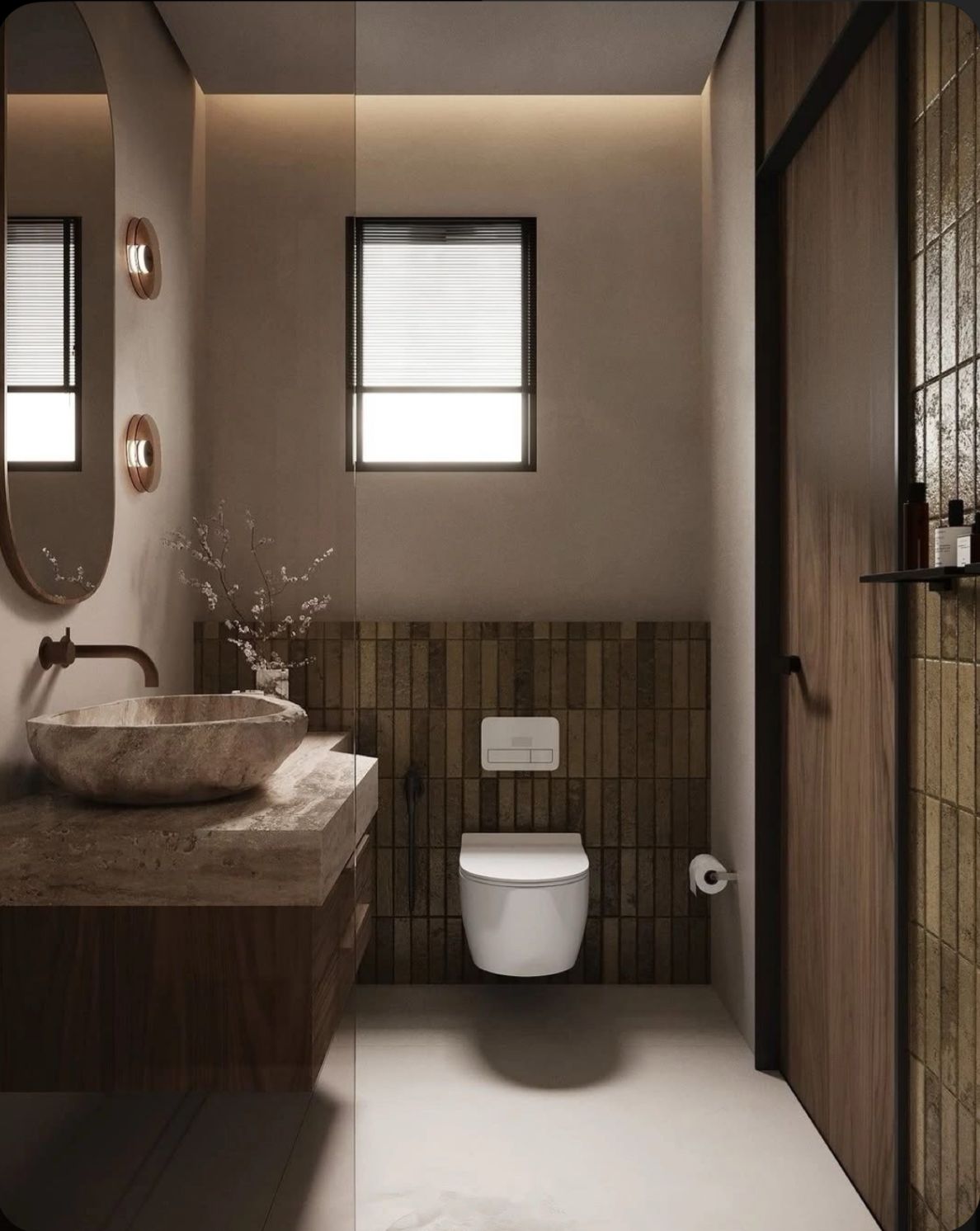
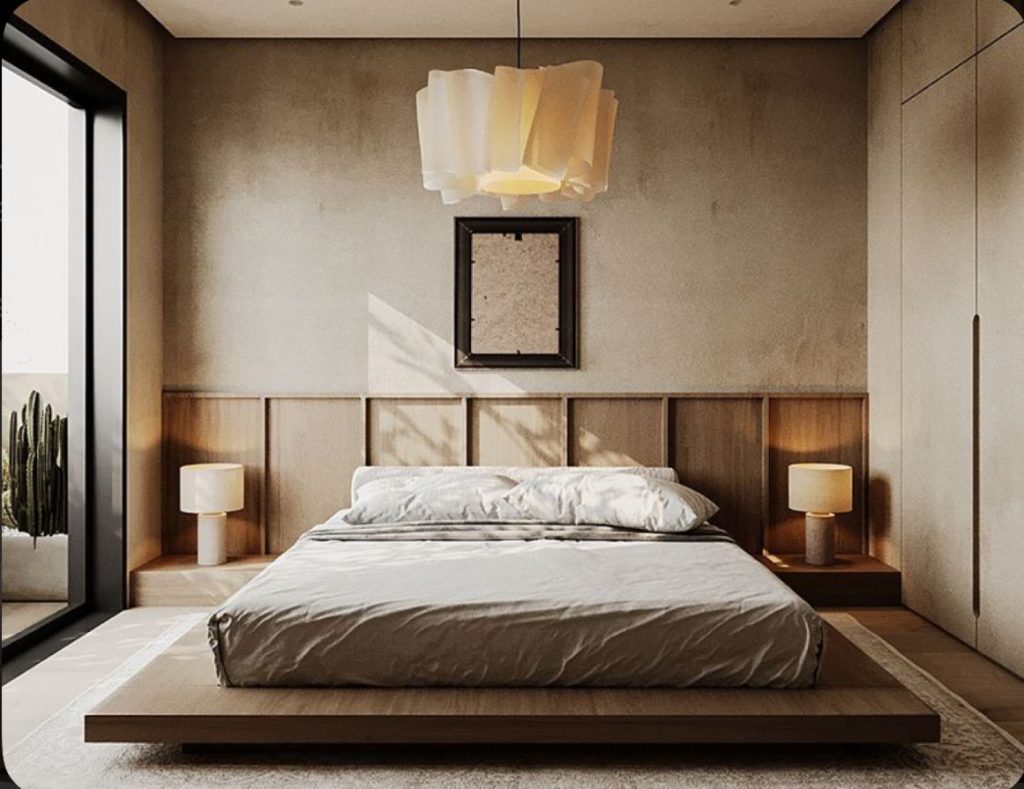
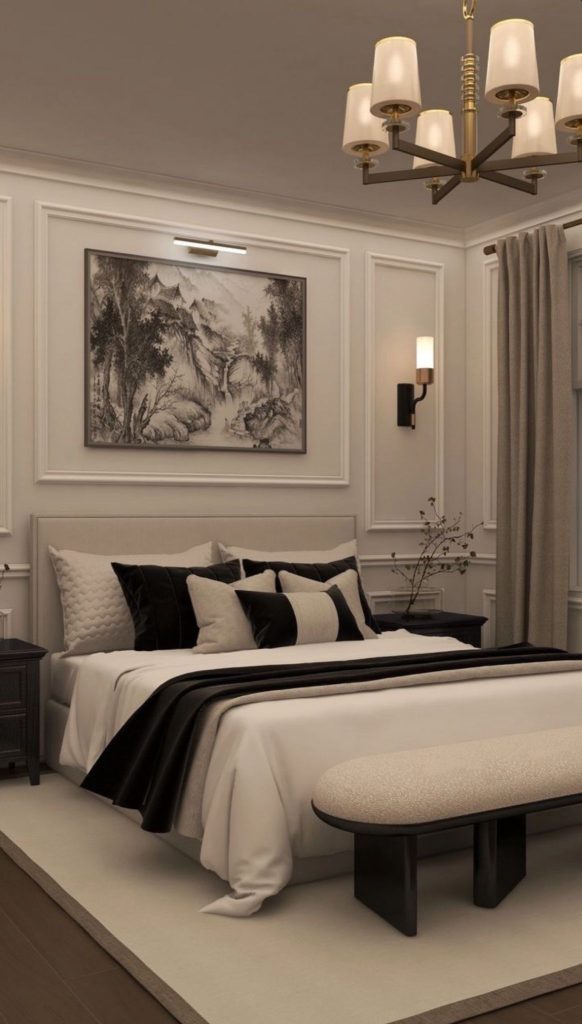
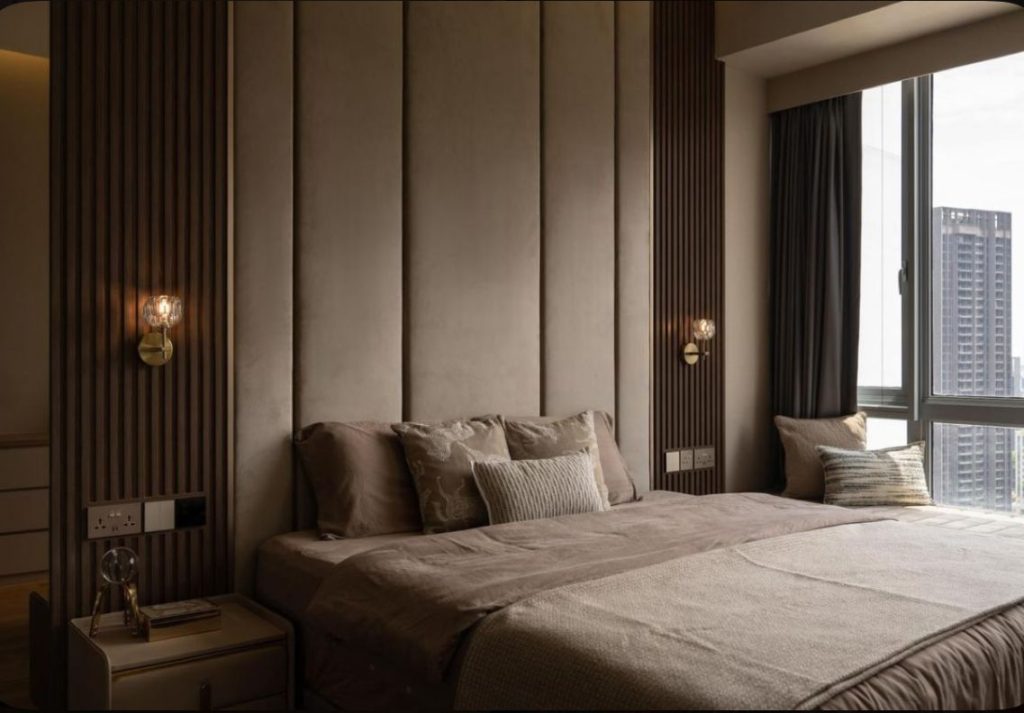
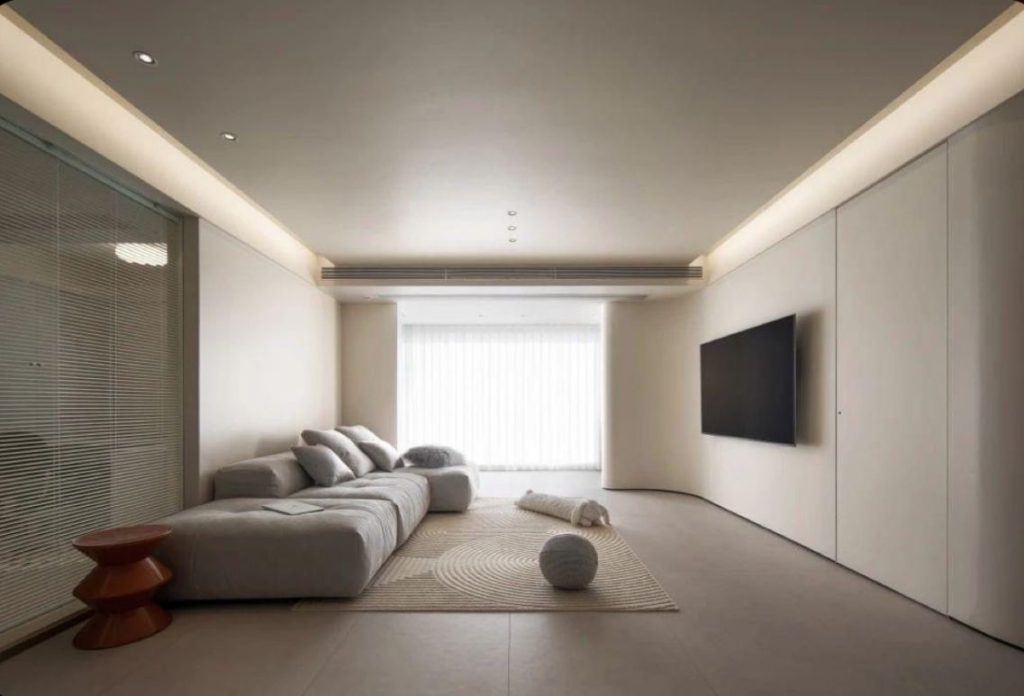
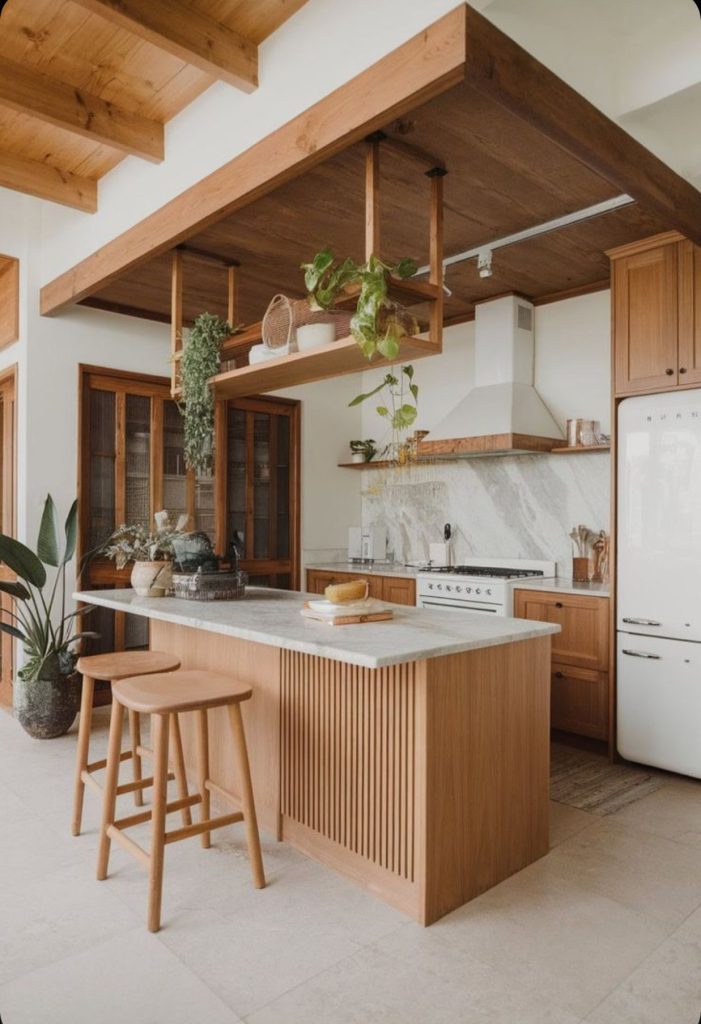
In traditional Japanese aesthetics, wabi-sabi emphasizes embracing the transient and imperfect nature of life. It is commonly understood as an appreciation for beauty that is imperfect, temporary, and unfinished, and it appears across many forms of Japanese art.
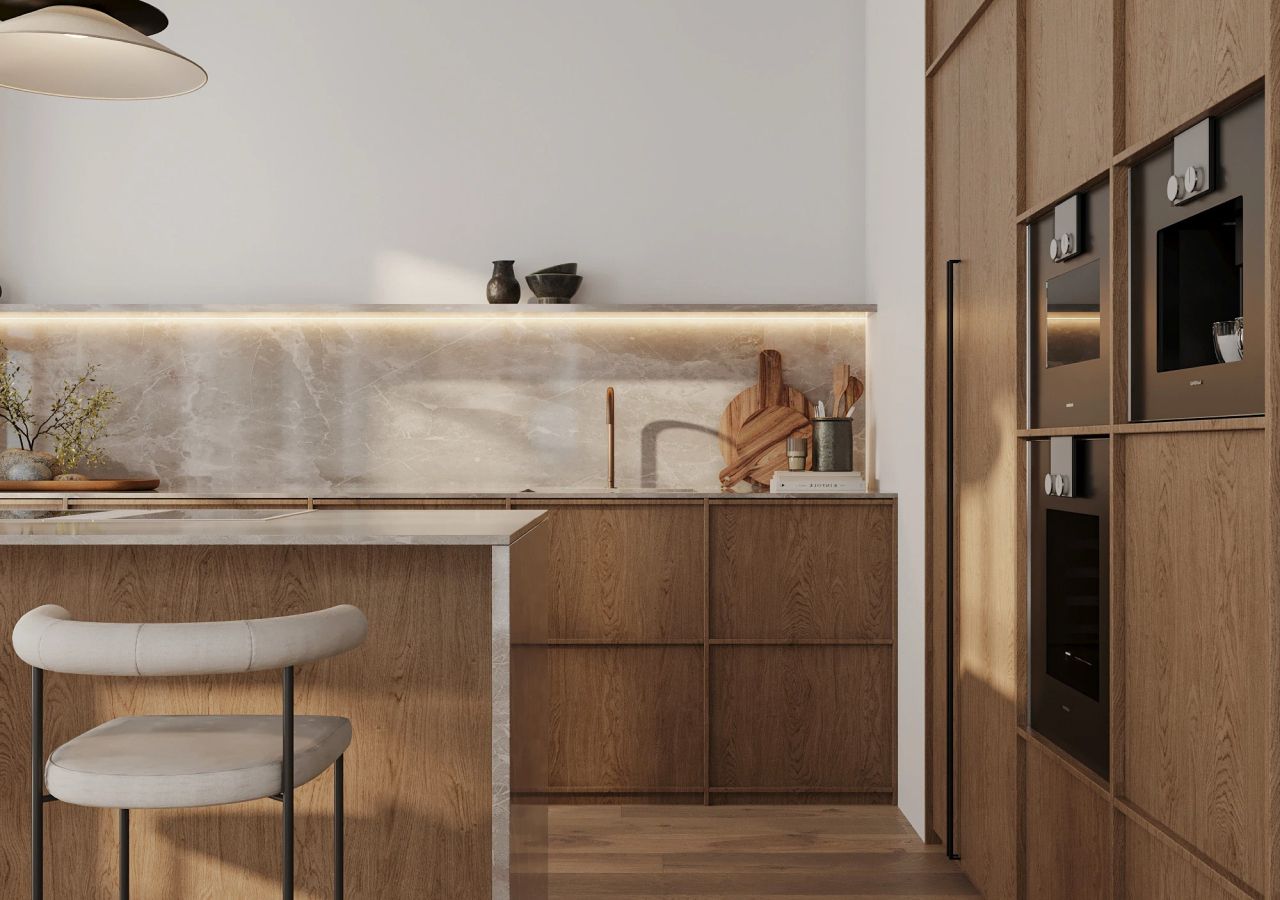
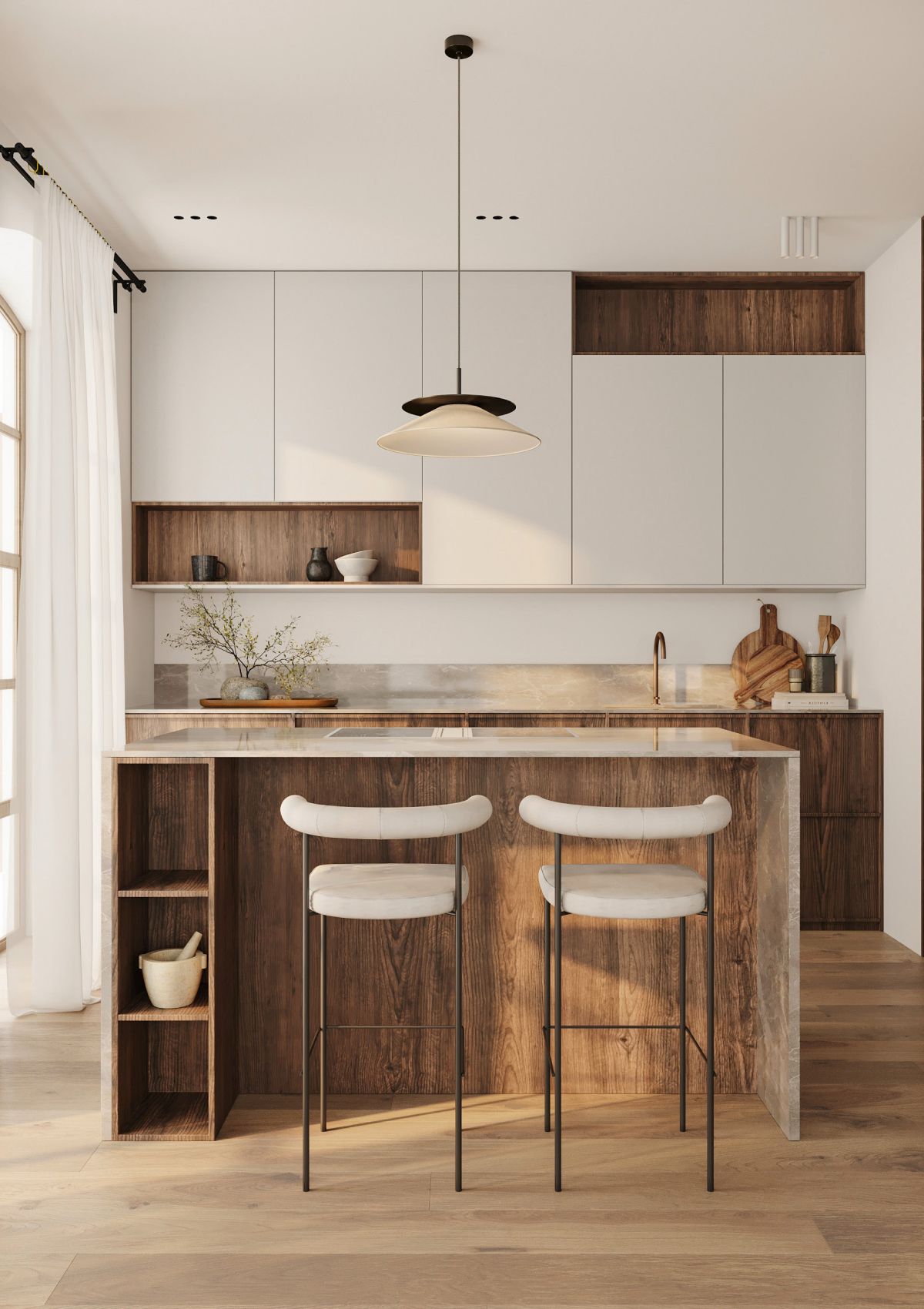
Key characteristics and principles of wabi-sabi include asymmetry, roughness, simplicity, modesty, and a deep appreciation for natural objects and the influence of nature’s forces.