Our Concepts

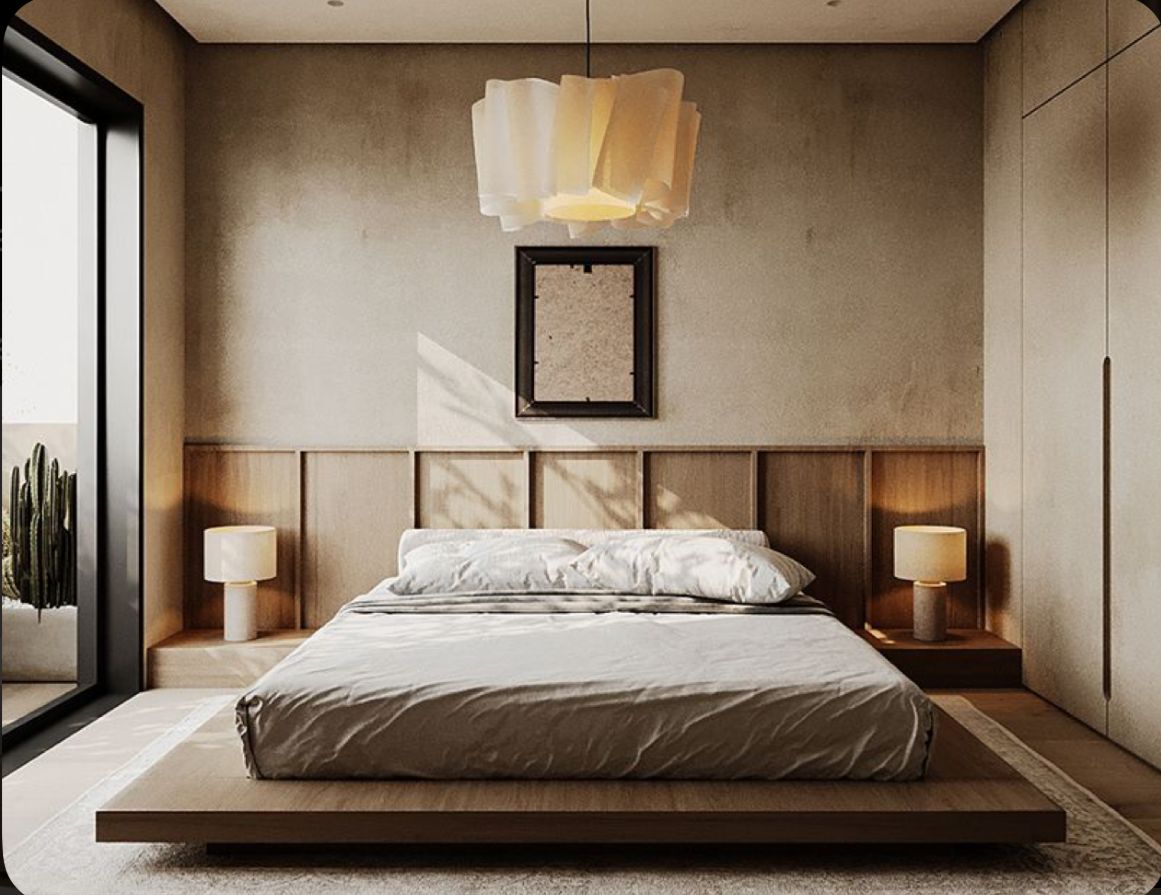
Japandi is a design philosophy that blends Japanese minimalism with Scandinavian practicality. More than just an aesthetic, it combines two guiding ideas: the Japanese principle of wabi-sabi, which embraces the beauty of imperfection, and the Scandinavian concept of hygge, centered on comfort and coziness.

The result is a calm, timeless, and thoughtfully curated space—one that feels both minimalist and warm, simple yet welcoming.

The Japandi color palette is naturally neutral, soothing, and understated.

It typically begins with a foundation of warm, light tones often seen in Scandinavian interiors, such as soft whites, beige, cream, taupe, stone, and light gray.

Modern minimalist interior design focuses on simplicity, clean lines, and functional, clutter-free spaces. It features carefully selected furniture, geometric forms, streamlined décor, and space-saving solutions that create an organized and purposeful environment.

This style works particularly well in smaller homes, as it promotes a calm and uncluttered setting where every element has space to “breathe.” At the same time, the design should feel warm and welcoming, avoiding an overly white, cold, or sterile look that can sometimes appear dull or lifeless.

Key characteristics include neutral, monochromatic colour palettes such as white, beige, and grey, prioritising quality over quantity in furniture choices, incorporating concealed storage, and using open layouts to create a peaceful and serene atmosphere.

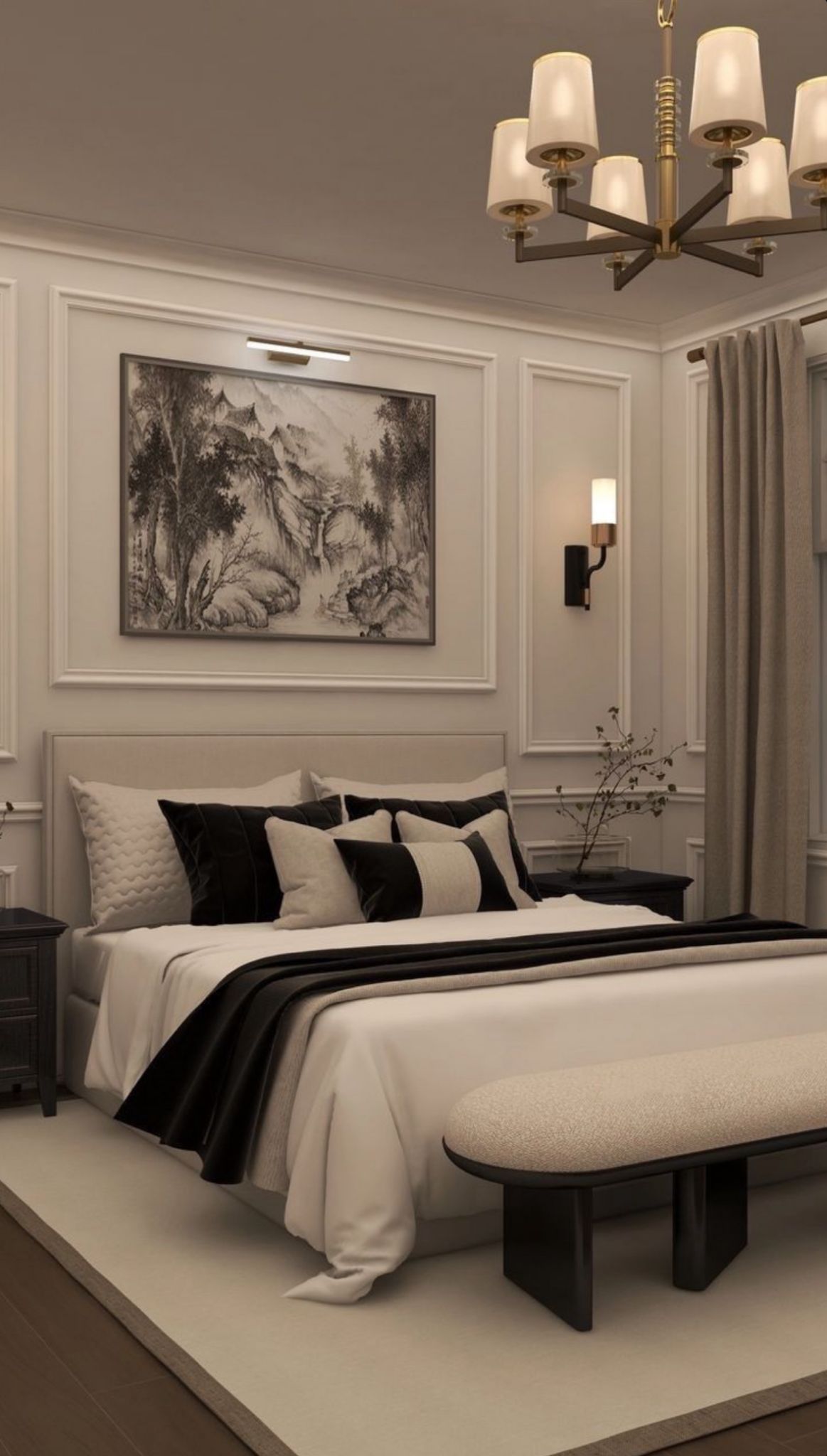
Modern luxe interior design combines sleek, minimalist, and functional principles with premium, opulent finishes to create spaces that feel sophisticated, comfortable, and highly personalized. 

It focuses on clean lines and neutral color palettes. Such as white, grey, and taupe. Often enhanced with metallic accents or jewel tones. Rich textures like marble and natural wood add depth and warmth. Signature features include bespoke furniture, layered ambient lighting, and seamlessly integrated smart technology, reflecting a style often described as “quiet luxury.”

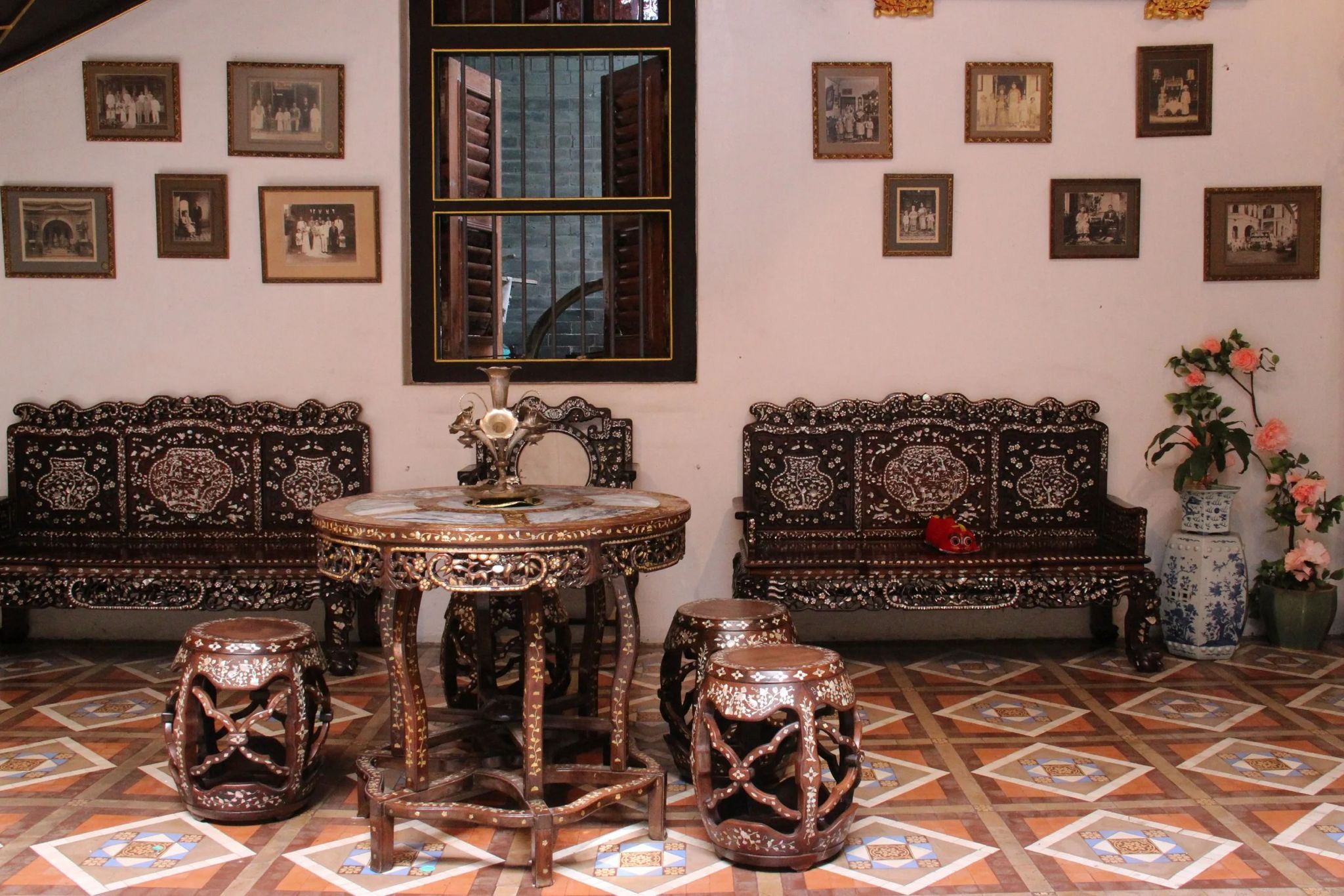
Are you drawn to mystical backdrops and unconventional settings? That is exactly the spirit captured by Peranakan interior design. A timeless blend of Malay, Chinese, and colonial influences, this vibrant aesthetic is rich with history and nostalgia.

By seamlessly merging heritage with modernity and tradition with contemporary elements, the modern interpretation of Peranakan interior design creates a style that feels both dreamy and distinctive.

Some defining features closely associated with Peranakan interiors include;

Iconic Peranakan Tiles : 

Nothing captures the essence of Peranakan design quite like its beautiful tiles. Known for their intricate patterns, these decorative tiles often reflect traditional beliefs and cultural symbolism. Common motifs include flowers, birds, and geometric patterns. Each representing ideas such as prosperity, longevity, and harmony.

Ornamental Furniture :

Furniture in Peranakan homes is typically crafted from solid teak or rosewood. Many pieces are intricately carved and inlaid with mother-of-pearl, giving them a refined and luxurious appearance.

A Vibrant Palette of Colours : 

Peranakan interiors are celebrated for their lively colour combinations, often pairing soft pastels such as turquoise, pink, and mint green with bold accents of gold and red.

Lacquered Displays : 

Lacquered wooden screens and elaborately carved panels are frequently used as decorative features, adding depth, texture, and an elegant finishing touch to the space.

In traditional Japanese aesthetics, wabi-sabi emphasizes embracing the transient and imperfect nature of life. It is commonly understood as an appreciation for beauty that is imperfect, temporary, and unfinished, and it appears across many forms of Japanese art.

Key characteristics and principles of wabi-sabi include asymmetry, roughness, simplicity, modesty, and a deep appreciation for natural objects and the influence of nature’s forces.

Search

Popular Post